September 28, 2026
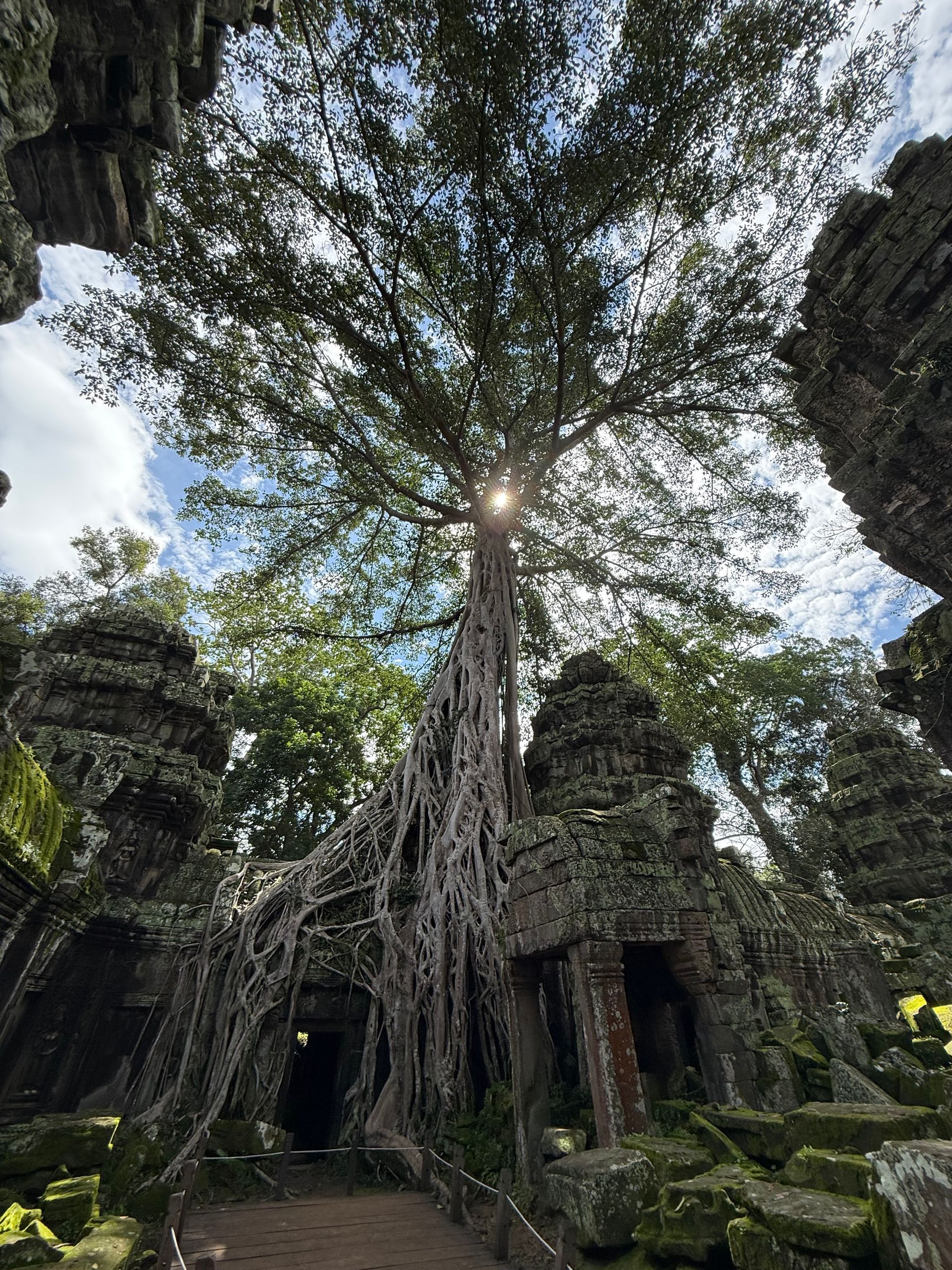
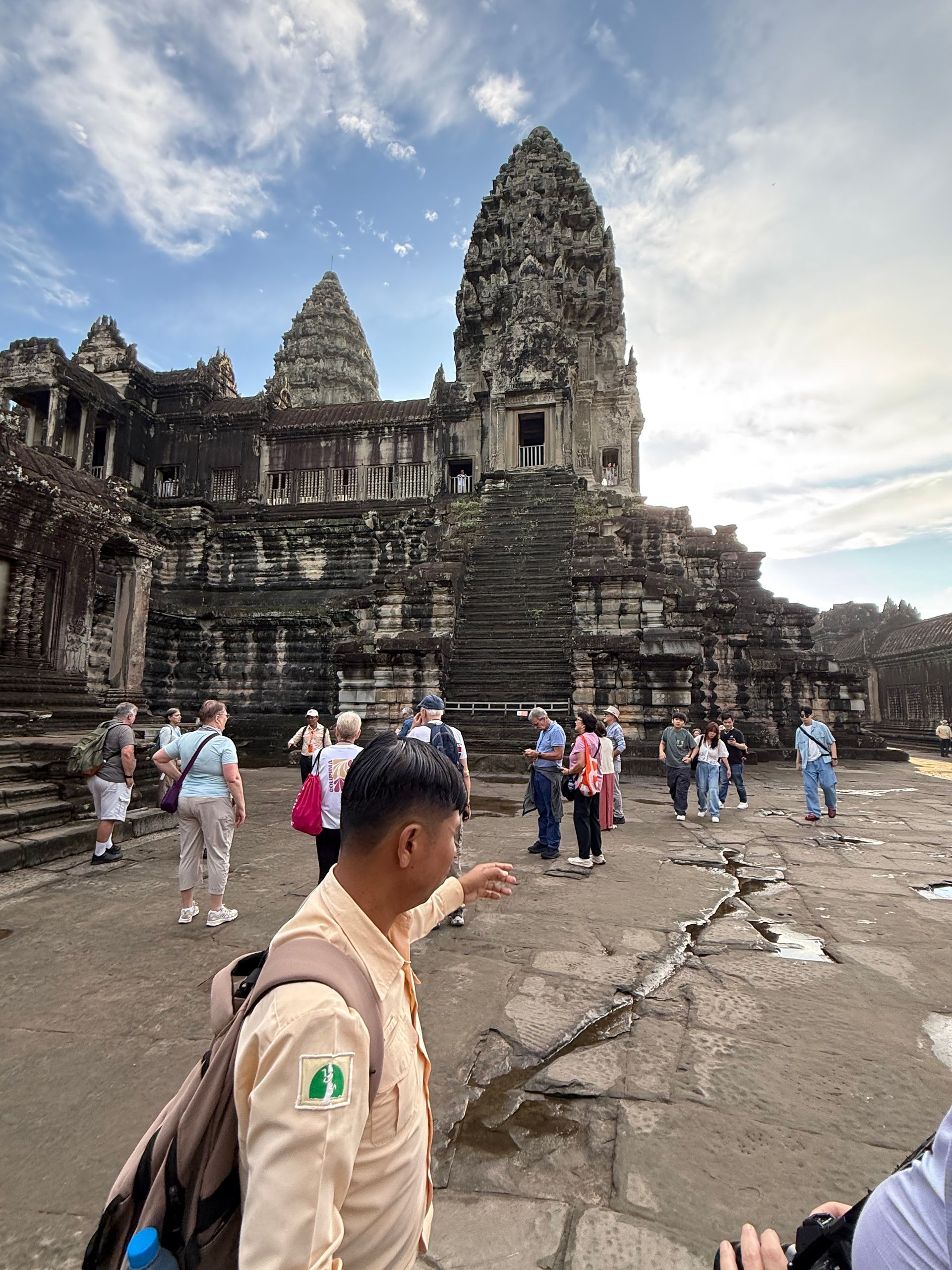
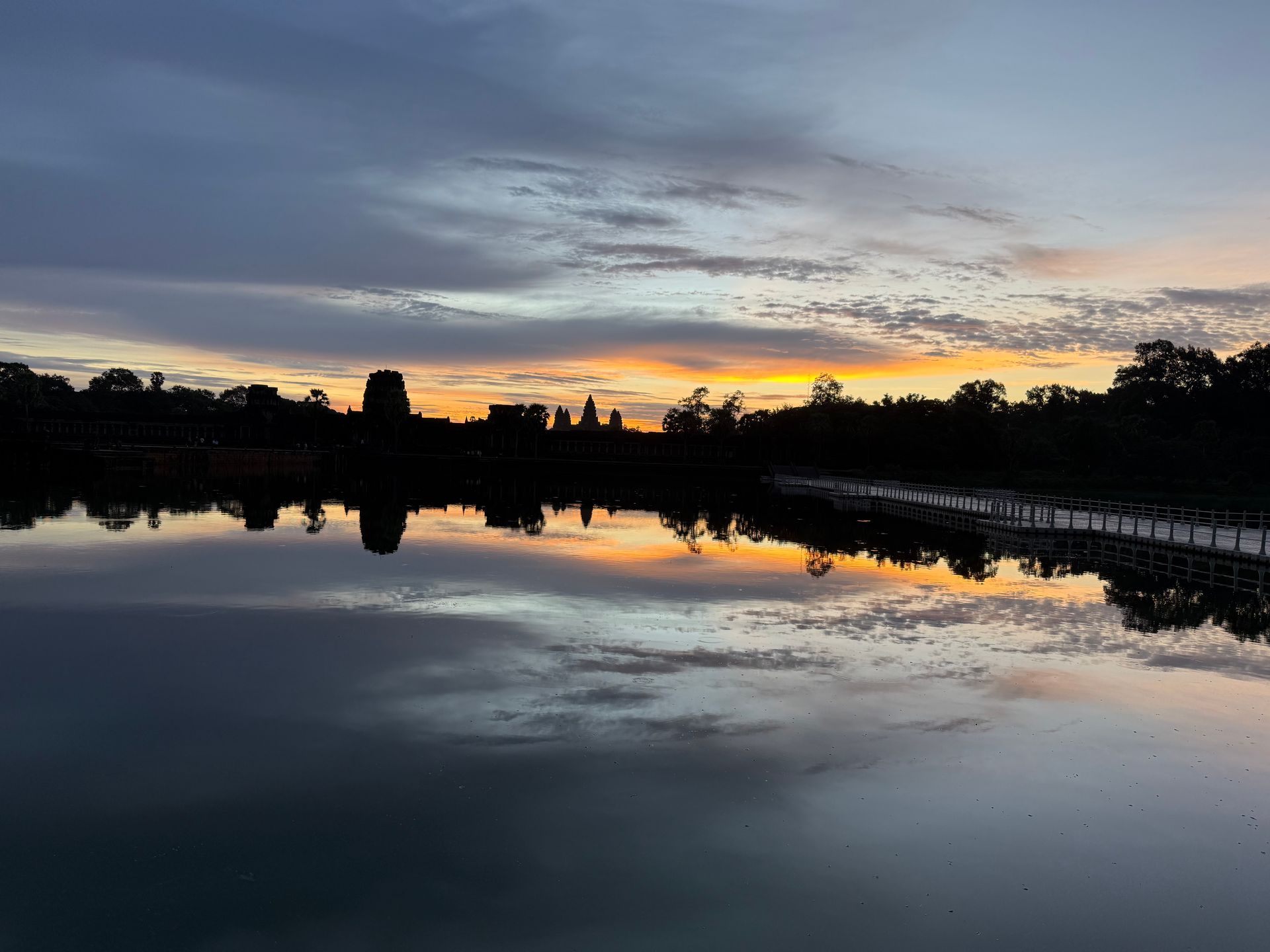
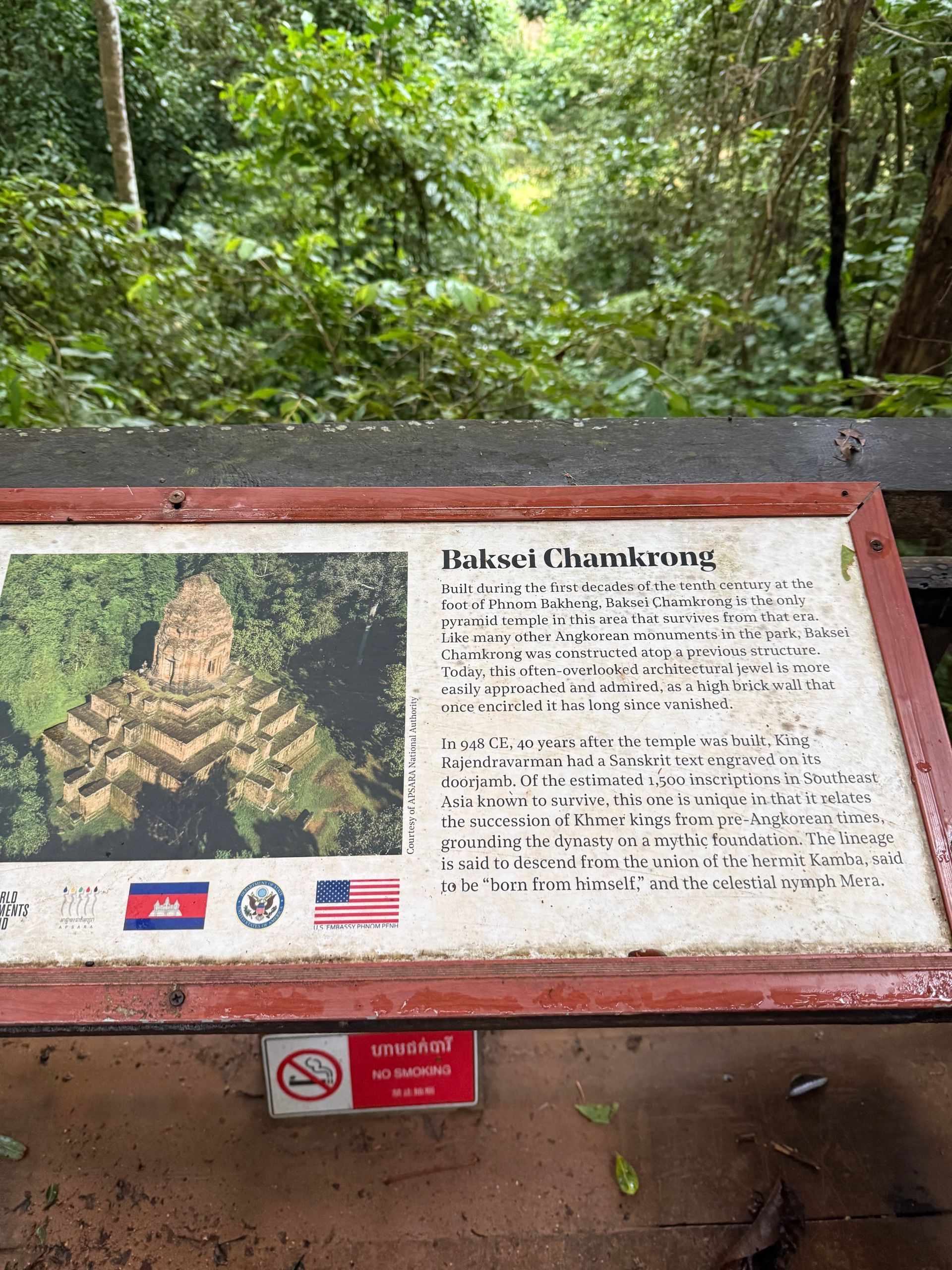
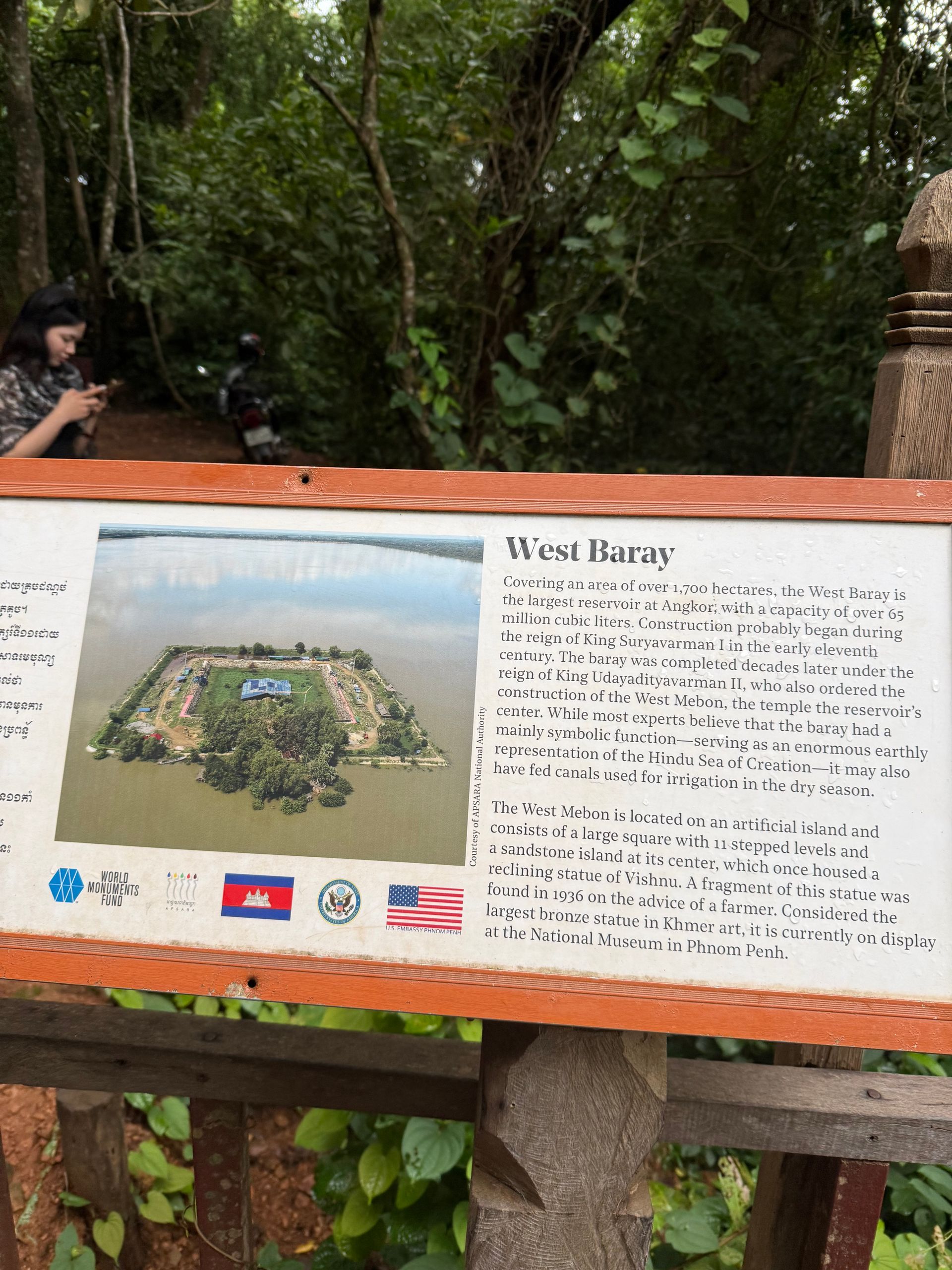
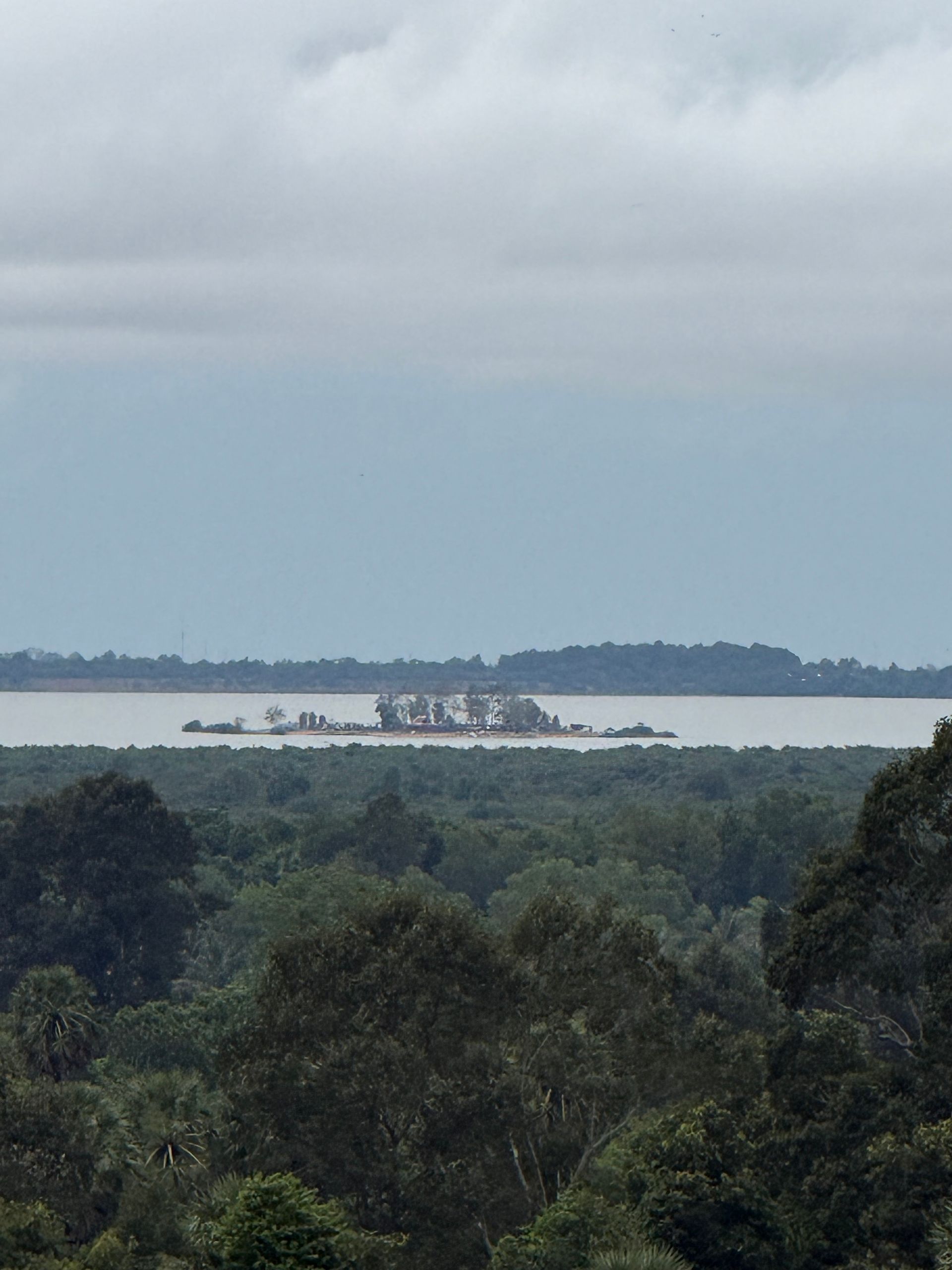
Angkor, a UNESCO World Heritage Centre, is one of the most important archaelogical sites in SE Asia. It extends over 400 square km (250 miles). It contains hundreds of distinct structural remains and major temple sites (with around 72 recognized major structures). Below are a few other temple sites we saw. The first two were from a distance, on our sunset hike, the first night.

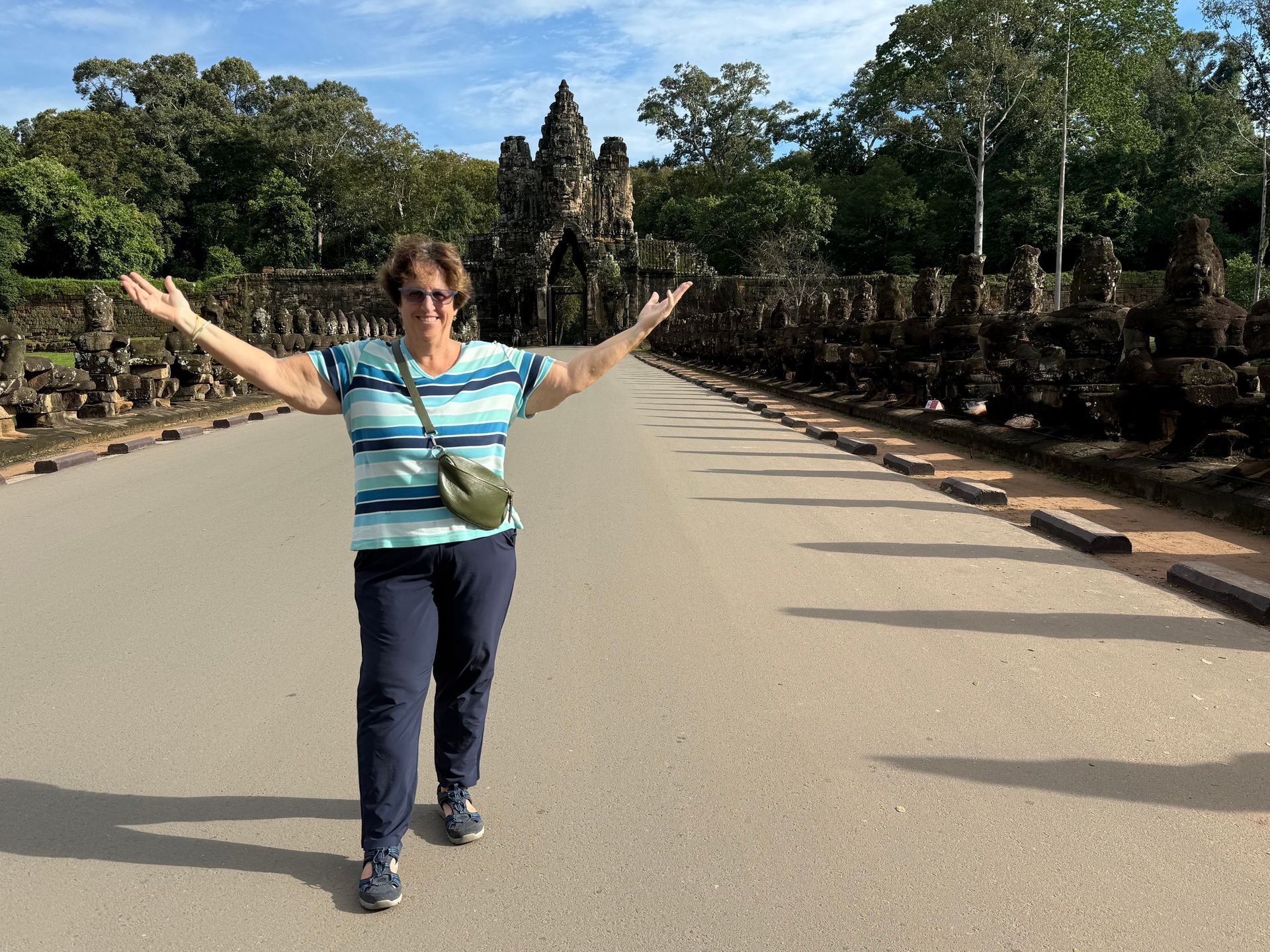
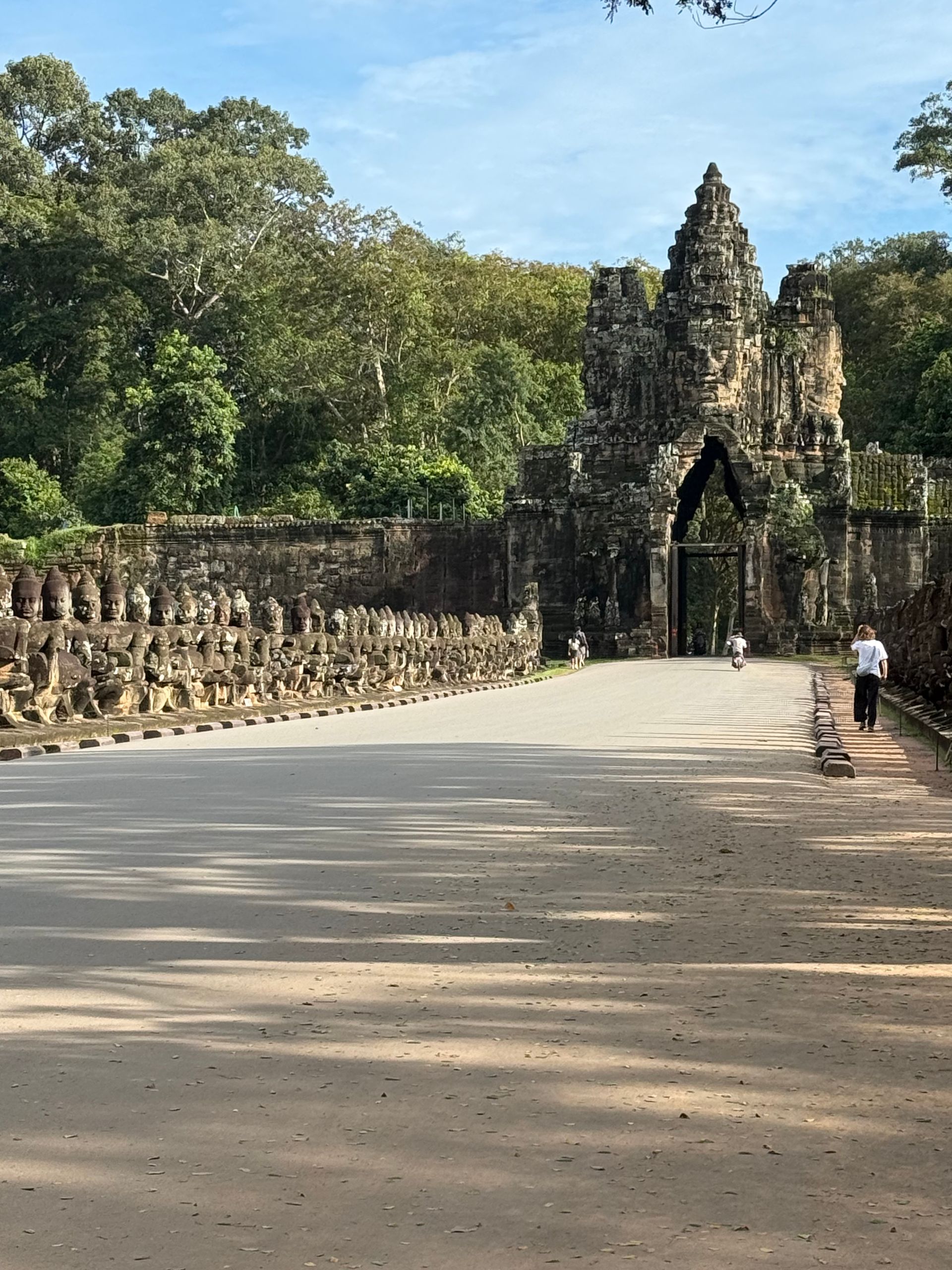
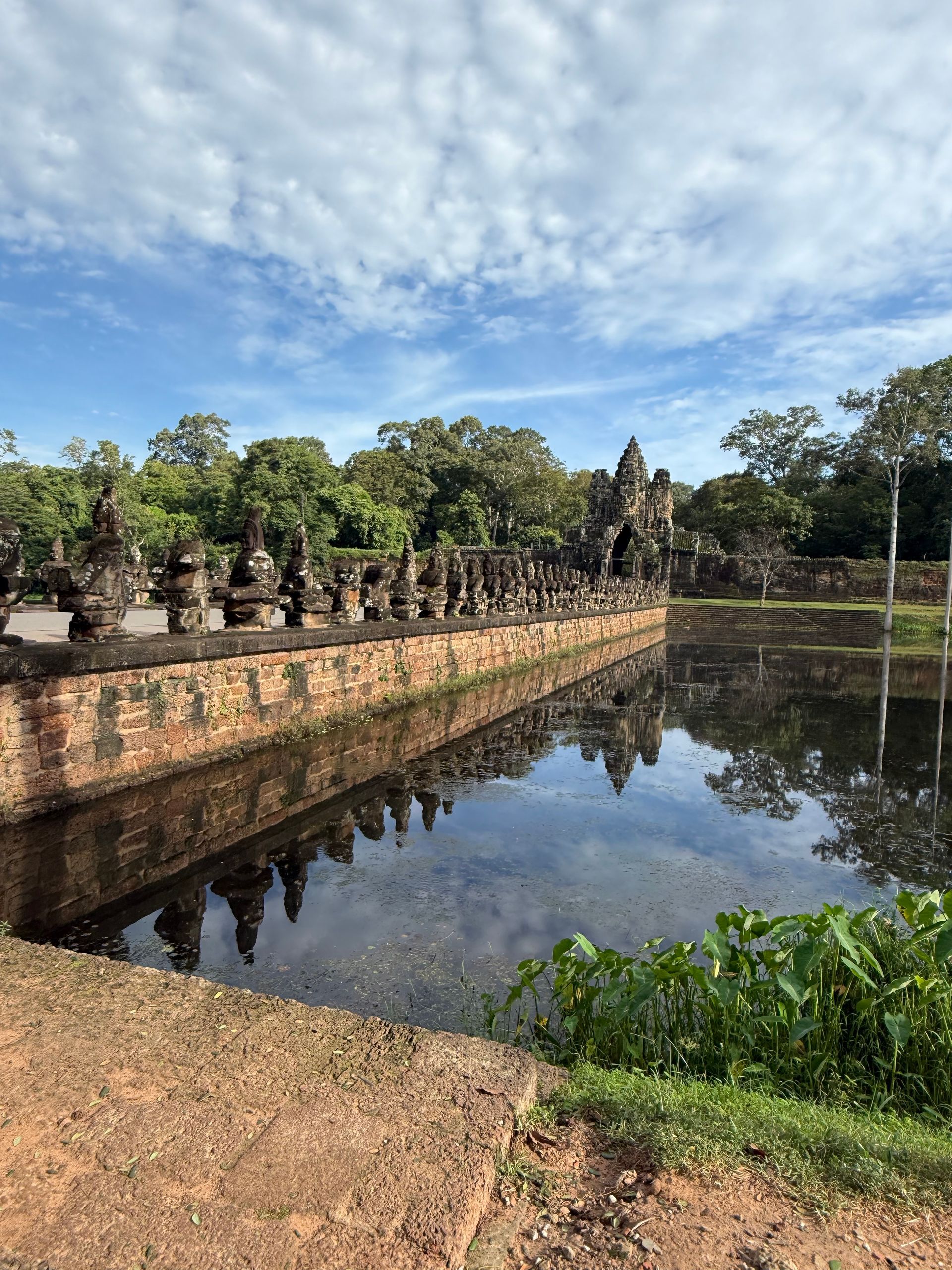
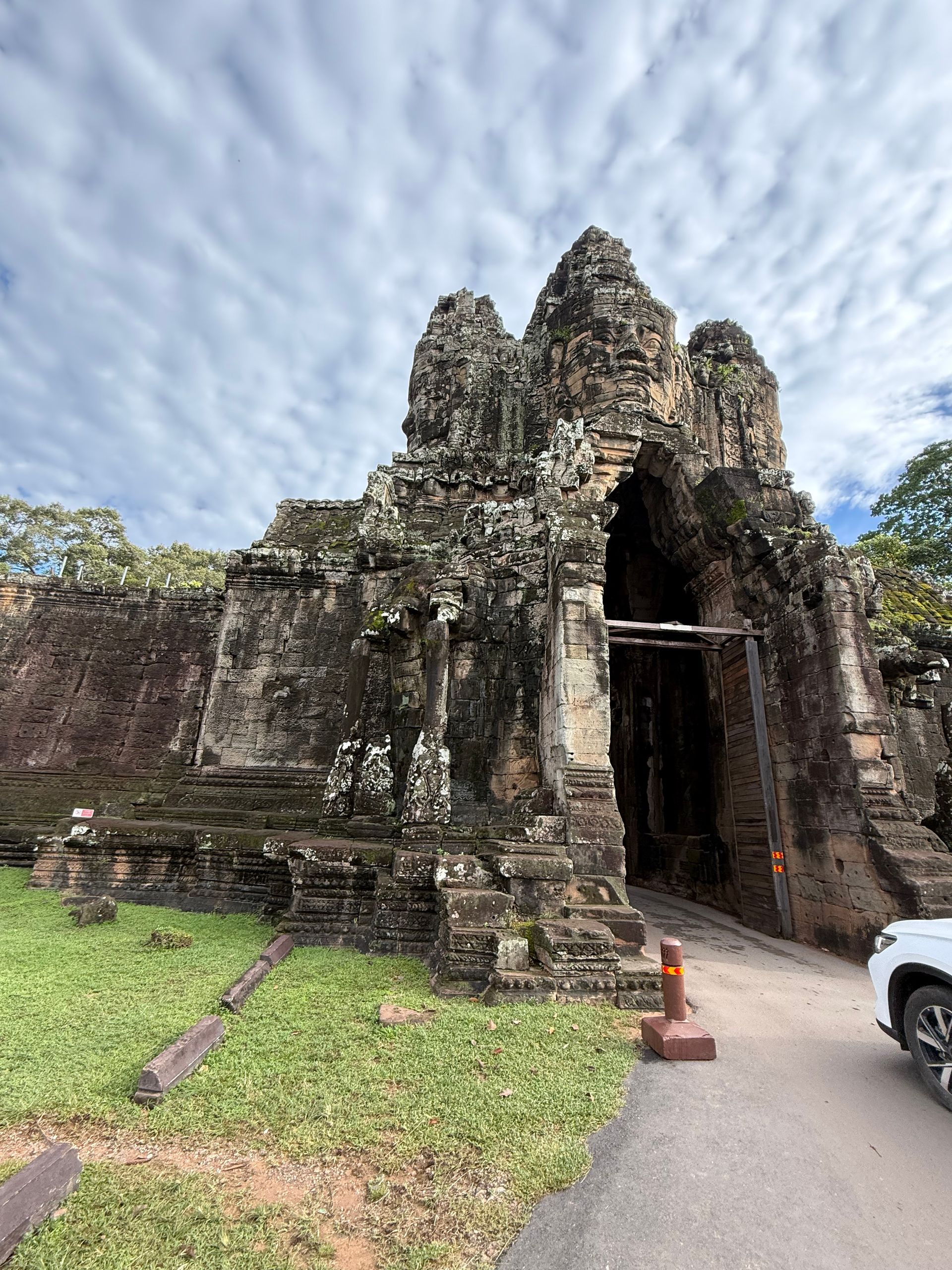
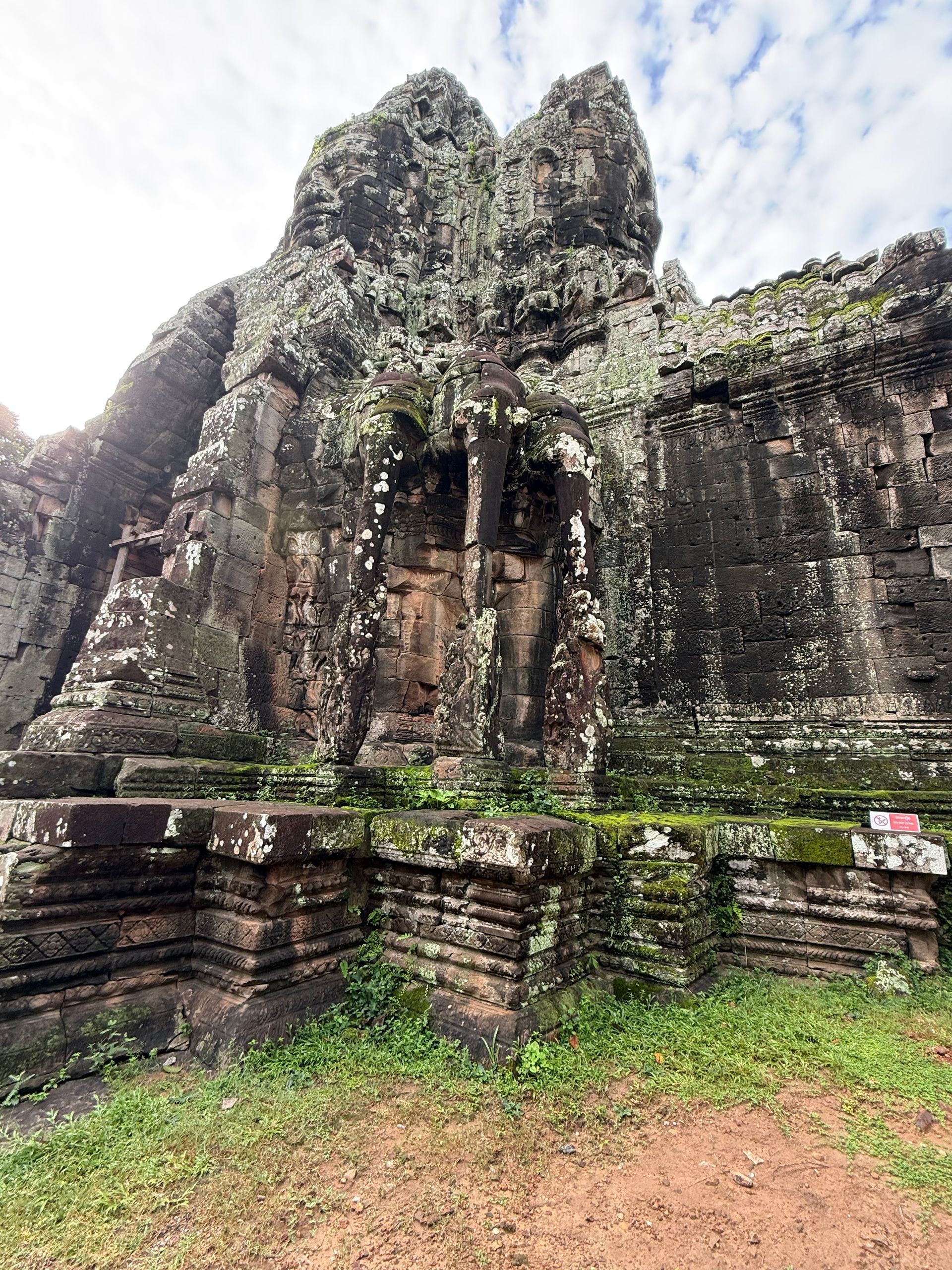
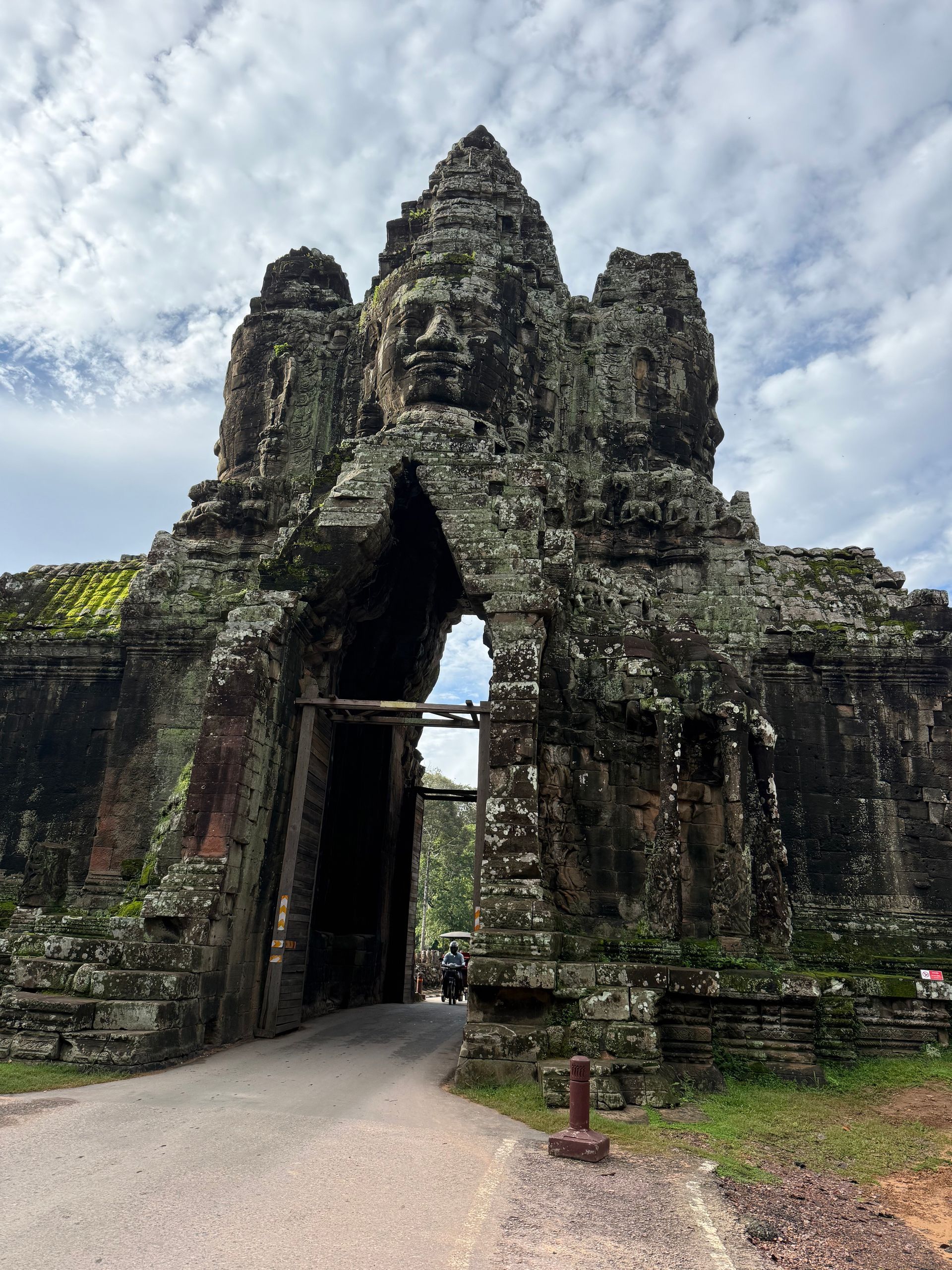
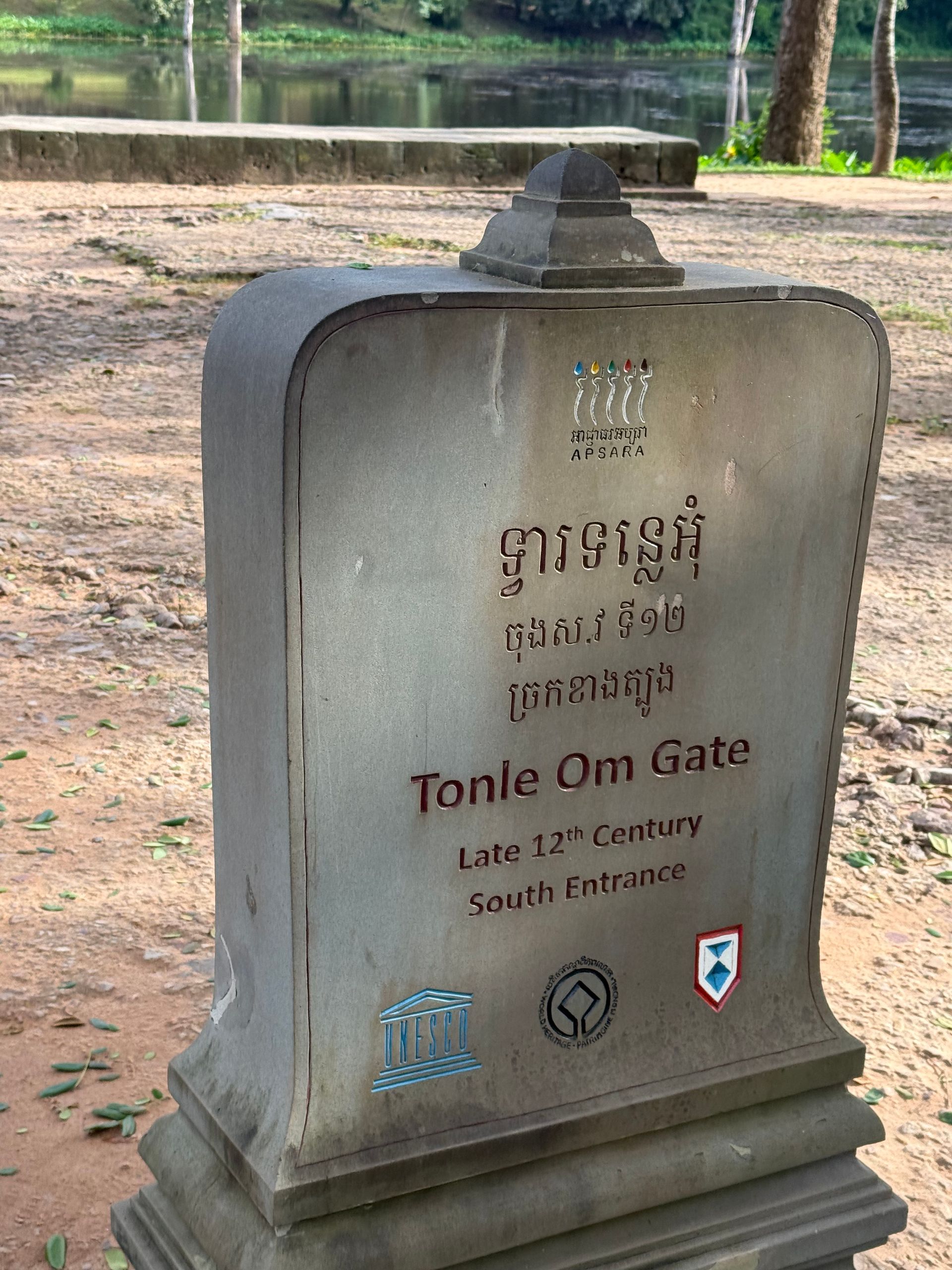
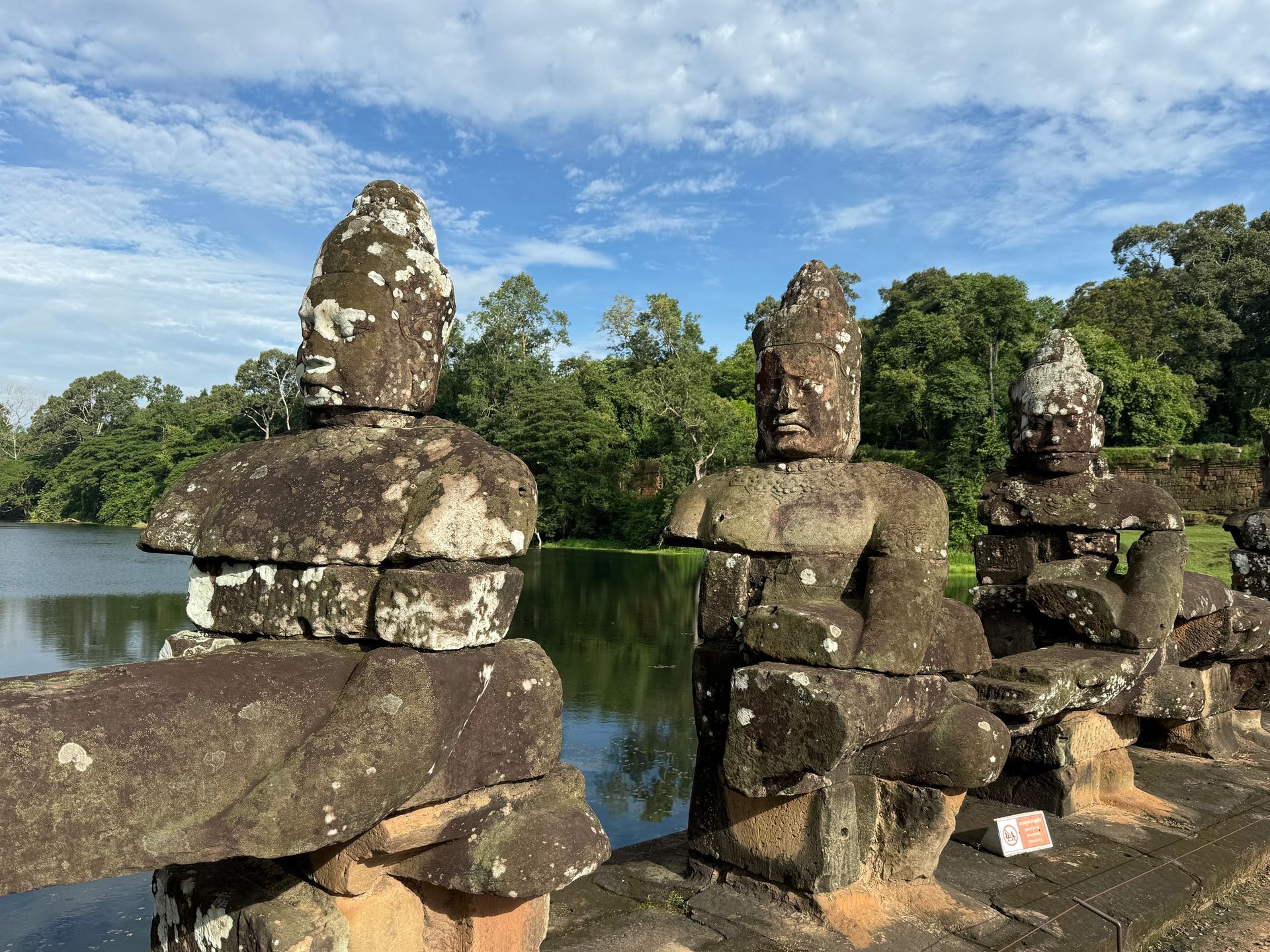
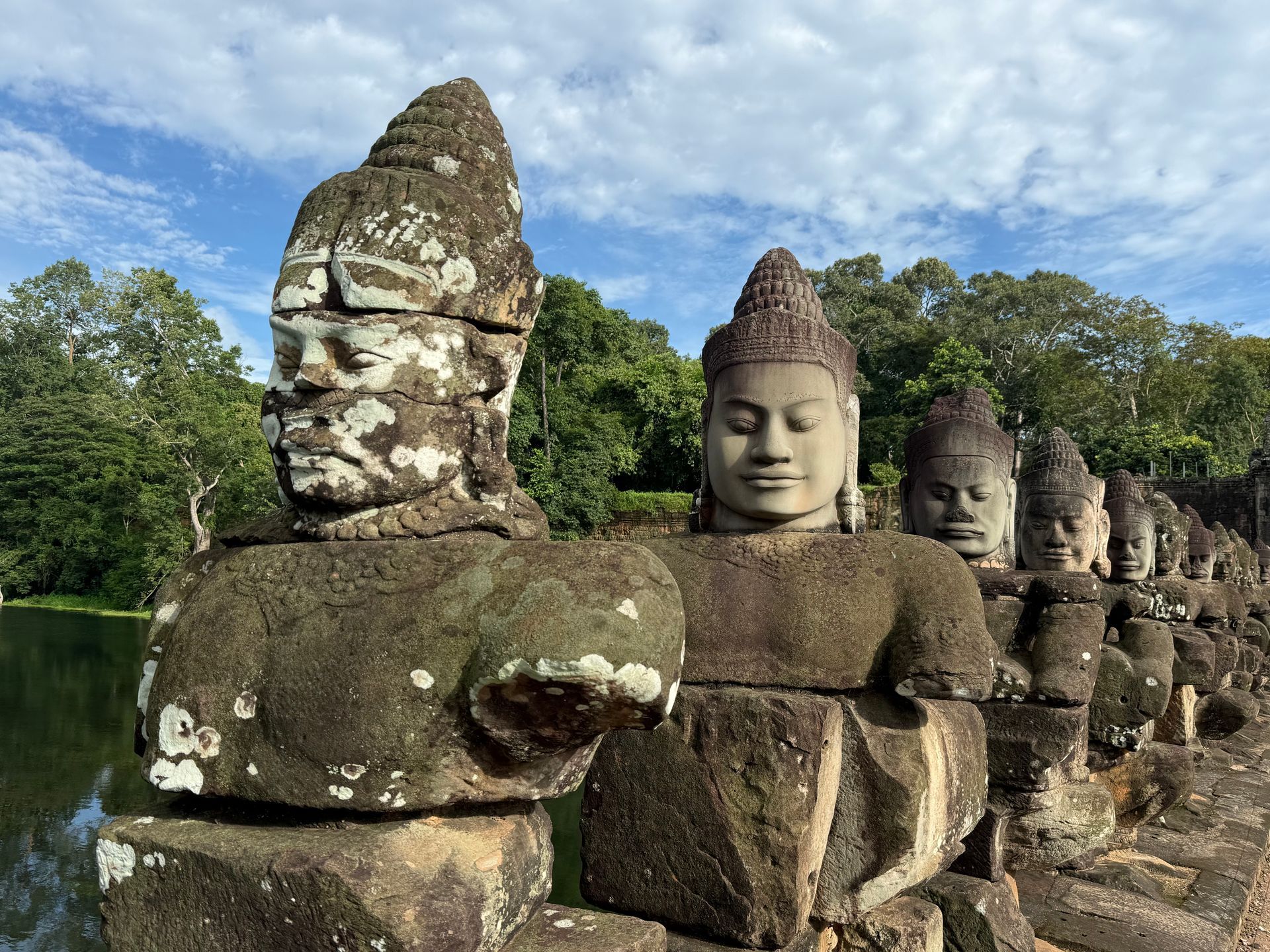
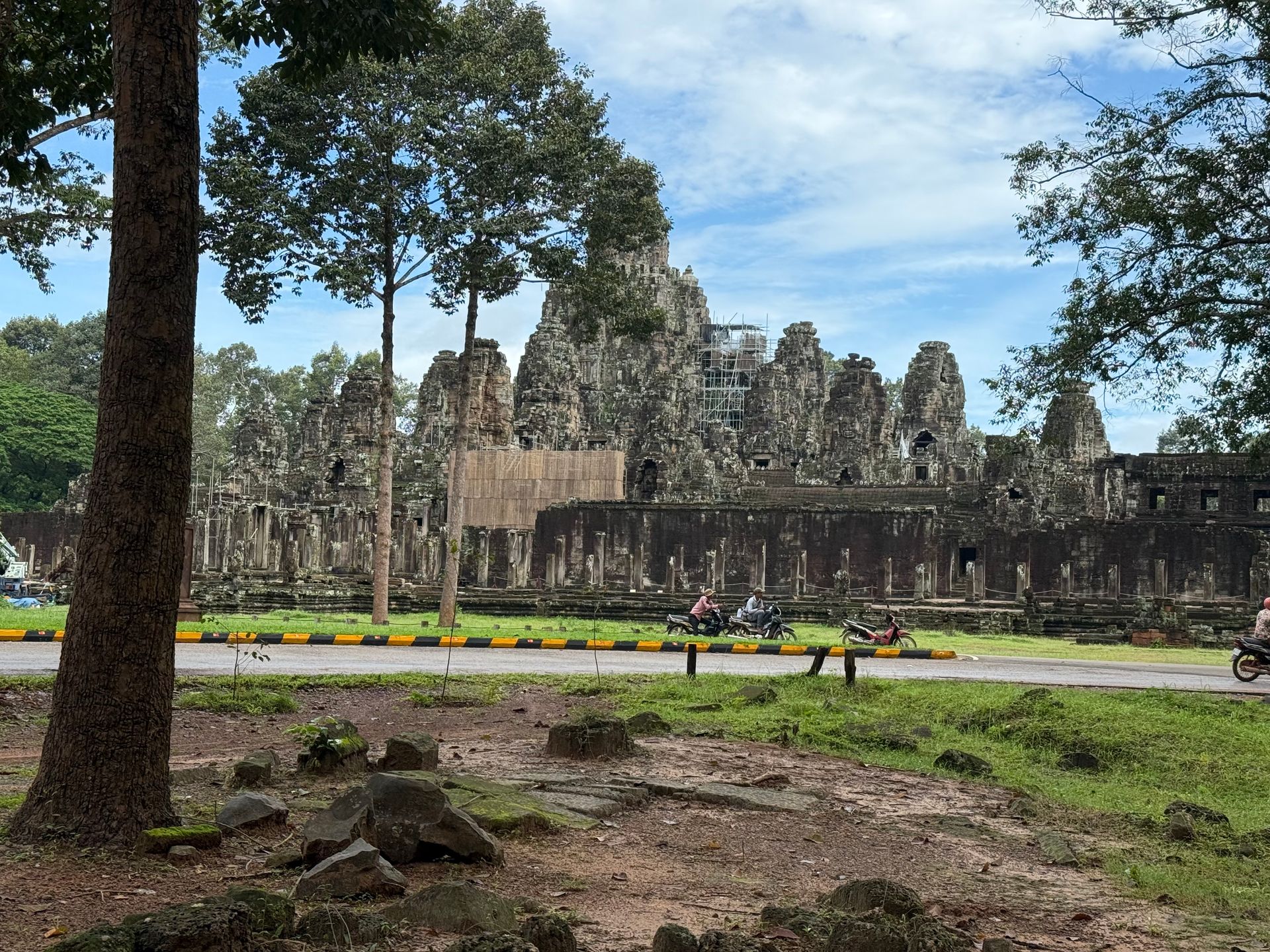
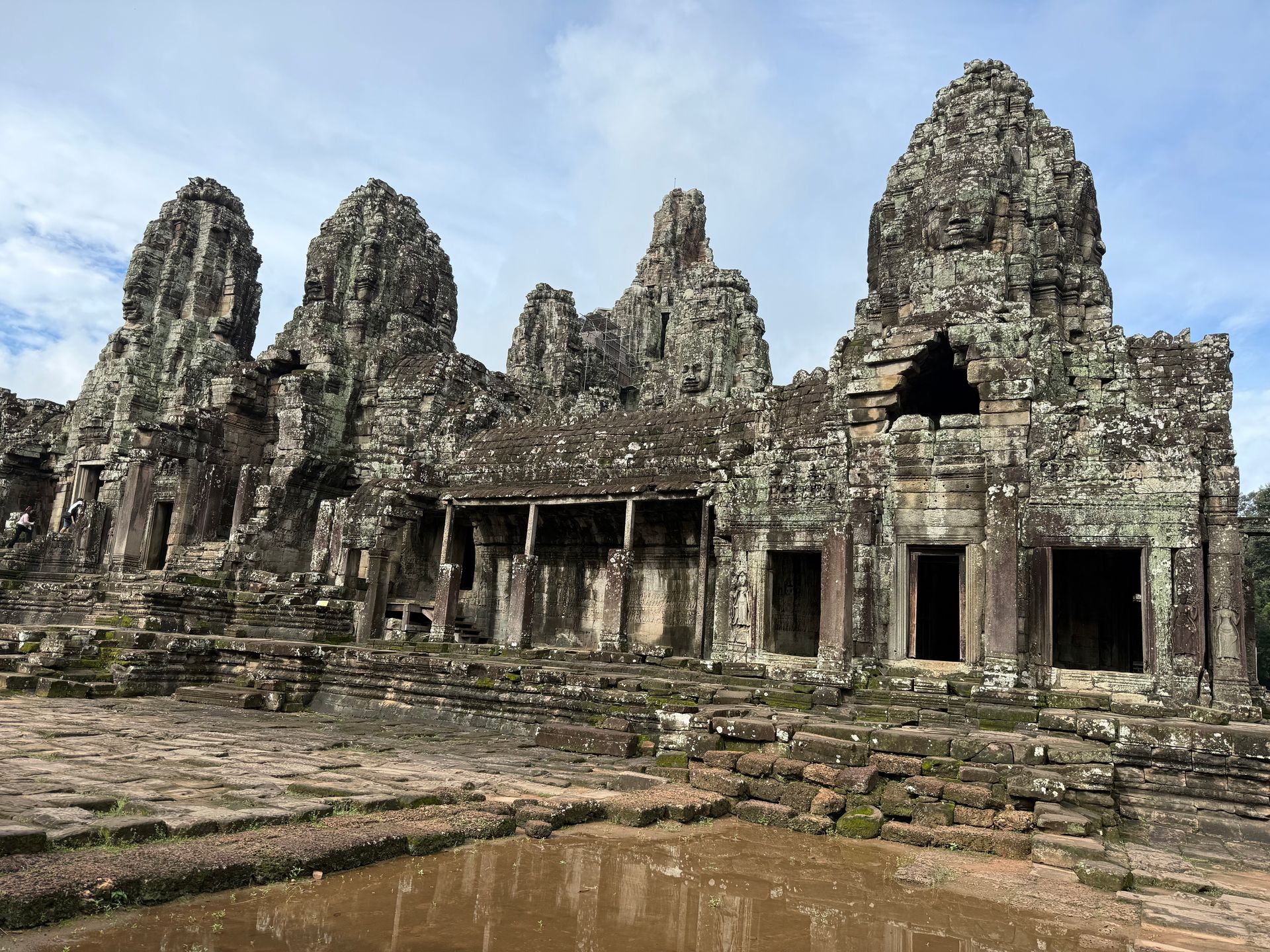
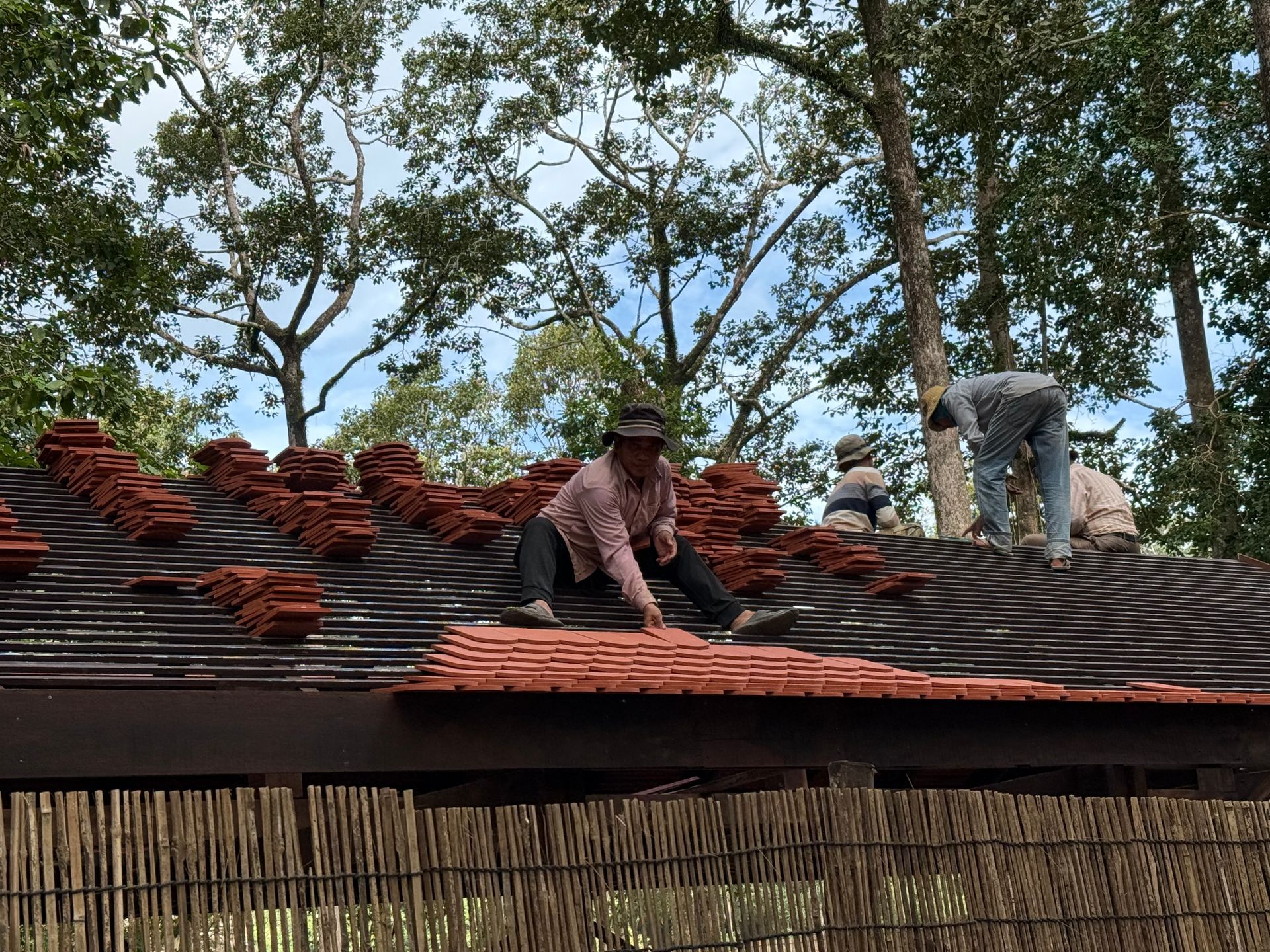
Tonle Om temple was the second site we visited with our guide after Angkor Wat, the next day. The south entry gate to this area shows alot more restoration than the temple site, mainly because it is so much smaller. The entry is flanked by a long line of scultures on eithr side of the bridge. On the left are smiling gods and on the right angry gods. Many of the original heads were stolen off the statues for profit and some have been replaced with replicas.



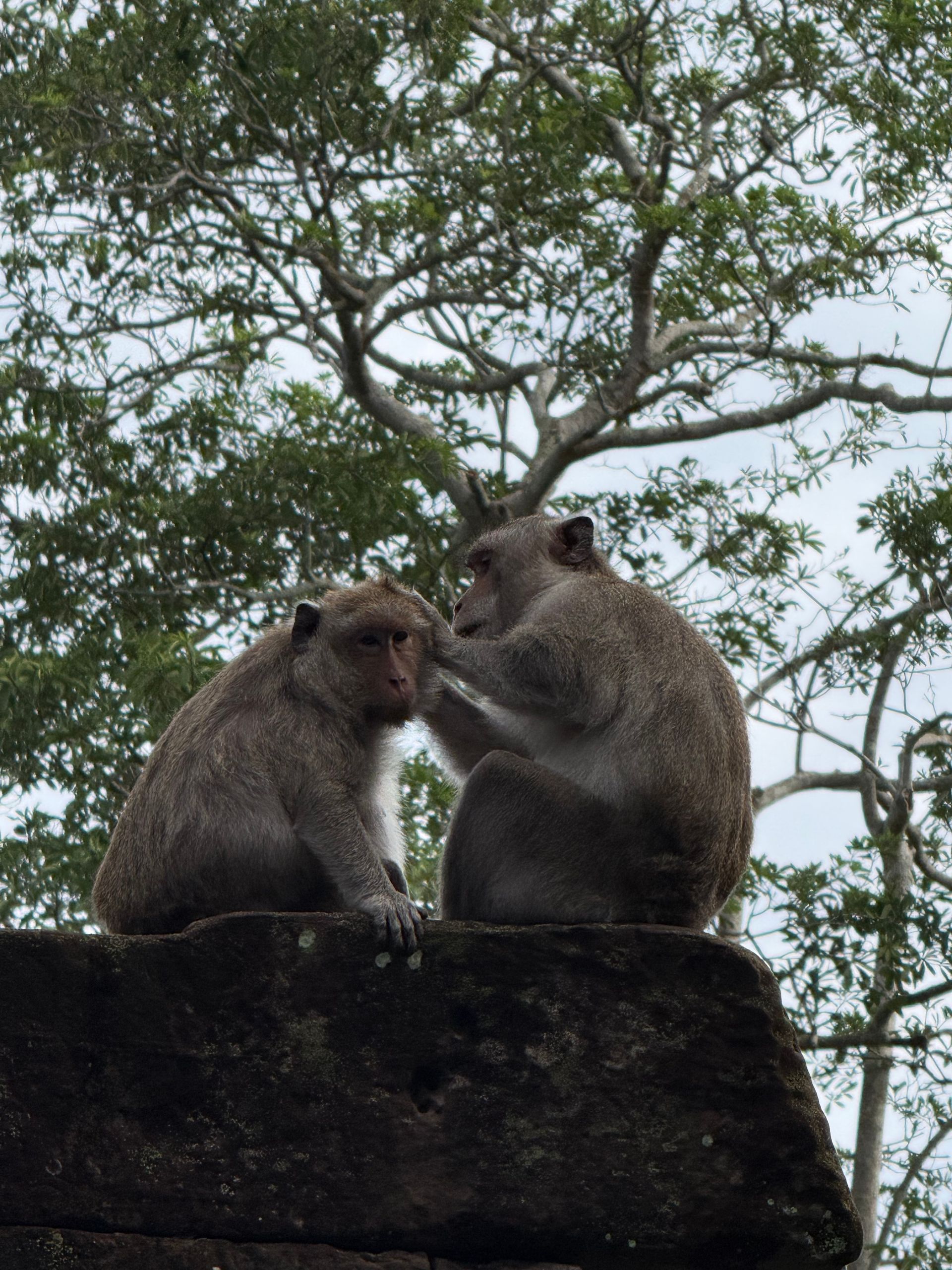
I have to admit by the time we started going through this temple, my 4 a.m. wake up was catching up, and I was more interested in the monkeys and trying to keep my footsteps firm, than the history our guide was relaying.






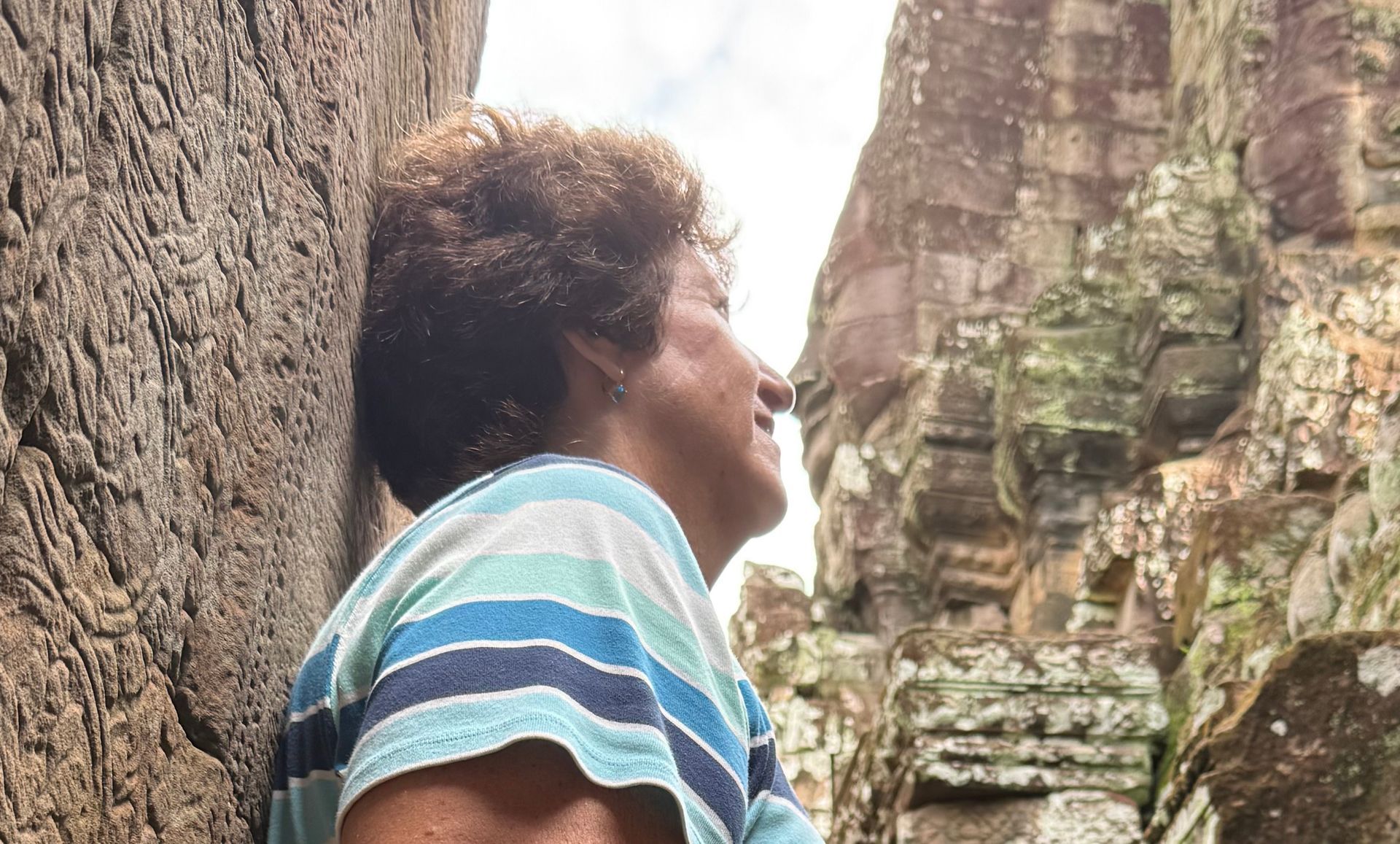
The heat was also intensifying at this point and the guide may have sensed it, because he inserted a little Buddha nose rubbing.