April 1, 2025

RIO NEGRO, AMAZON RAINFOREST, BRAZIL
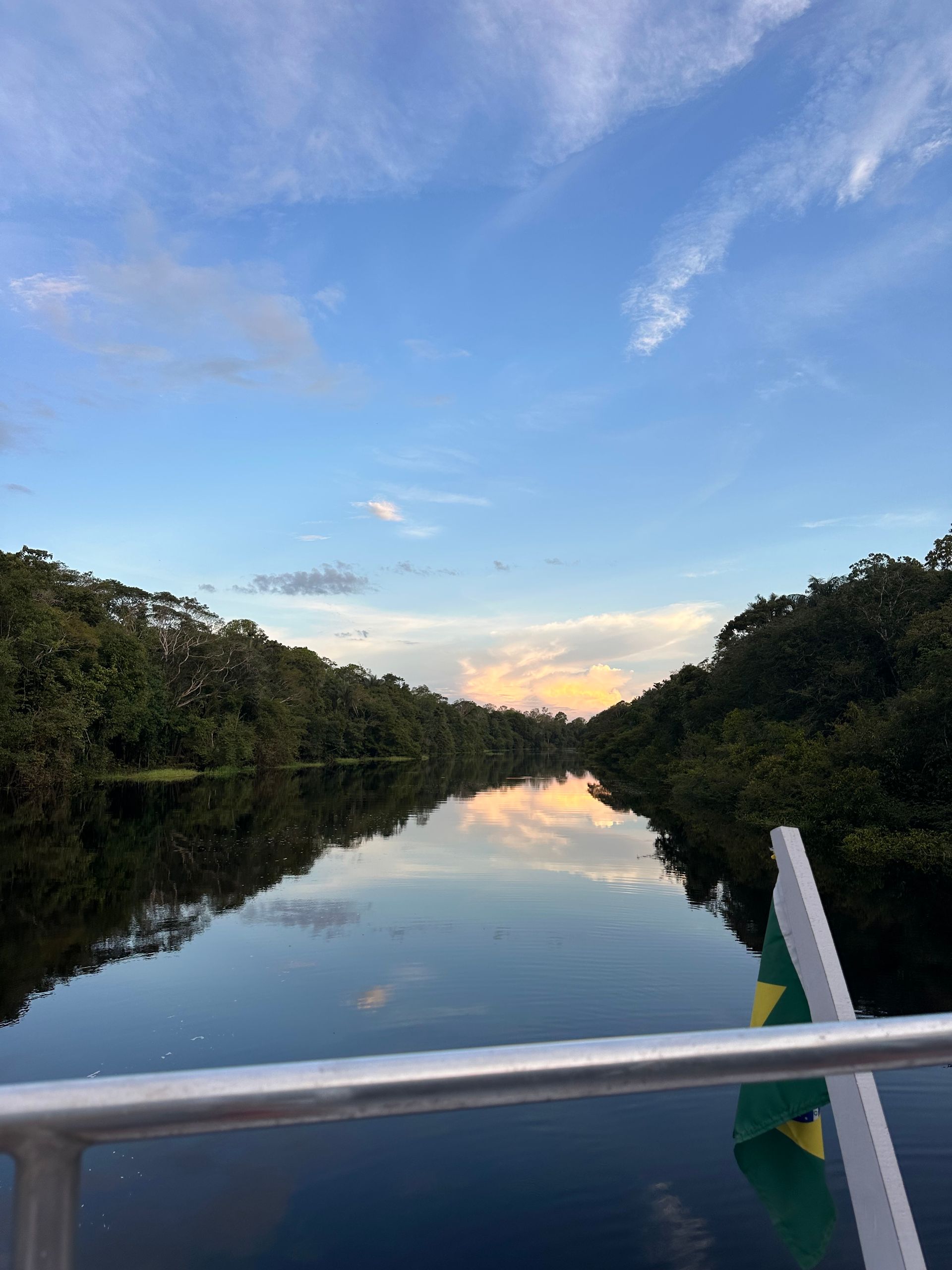
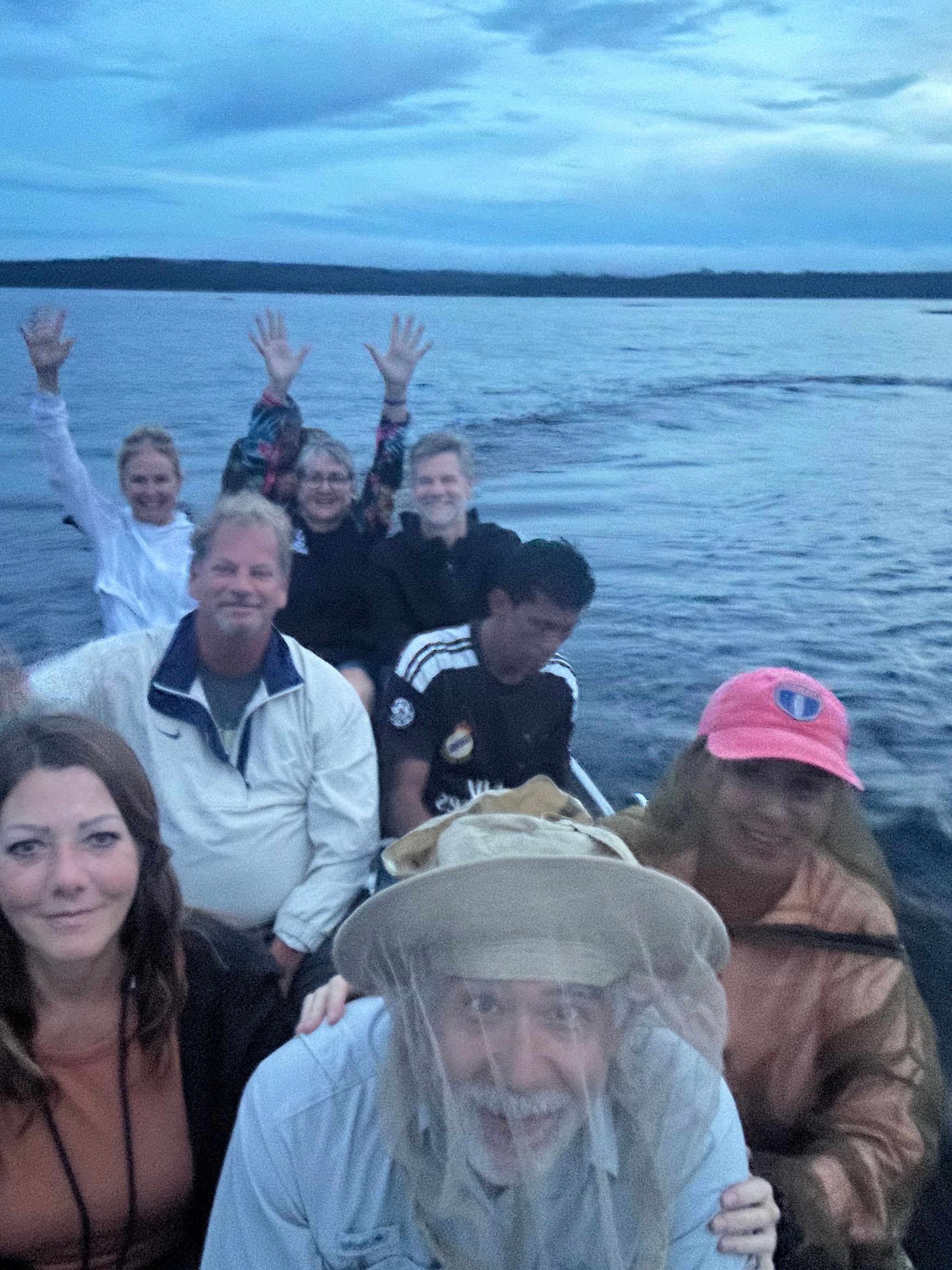
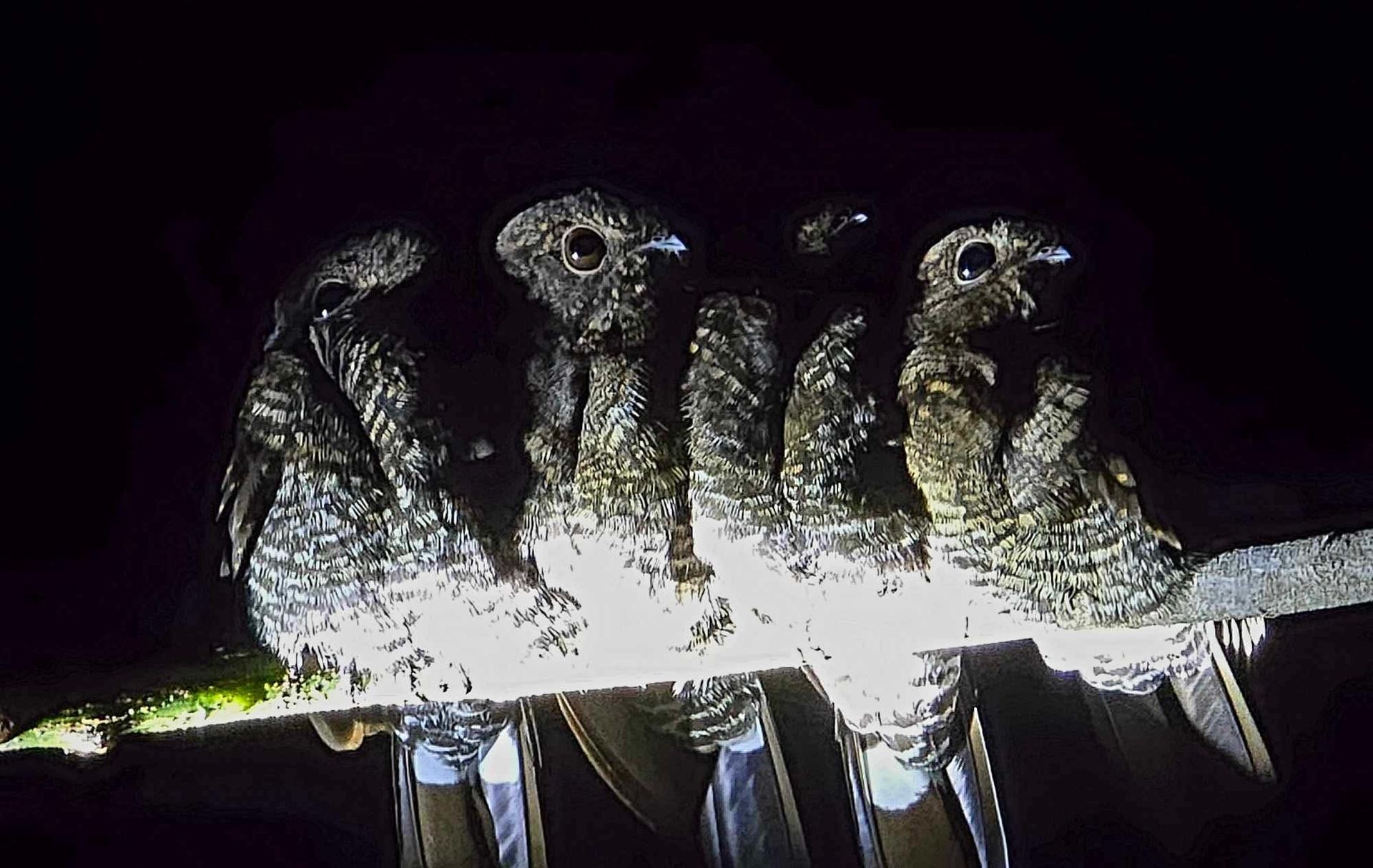
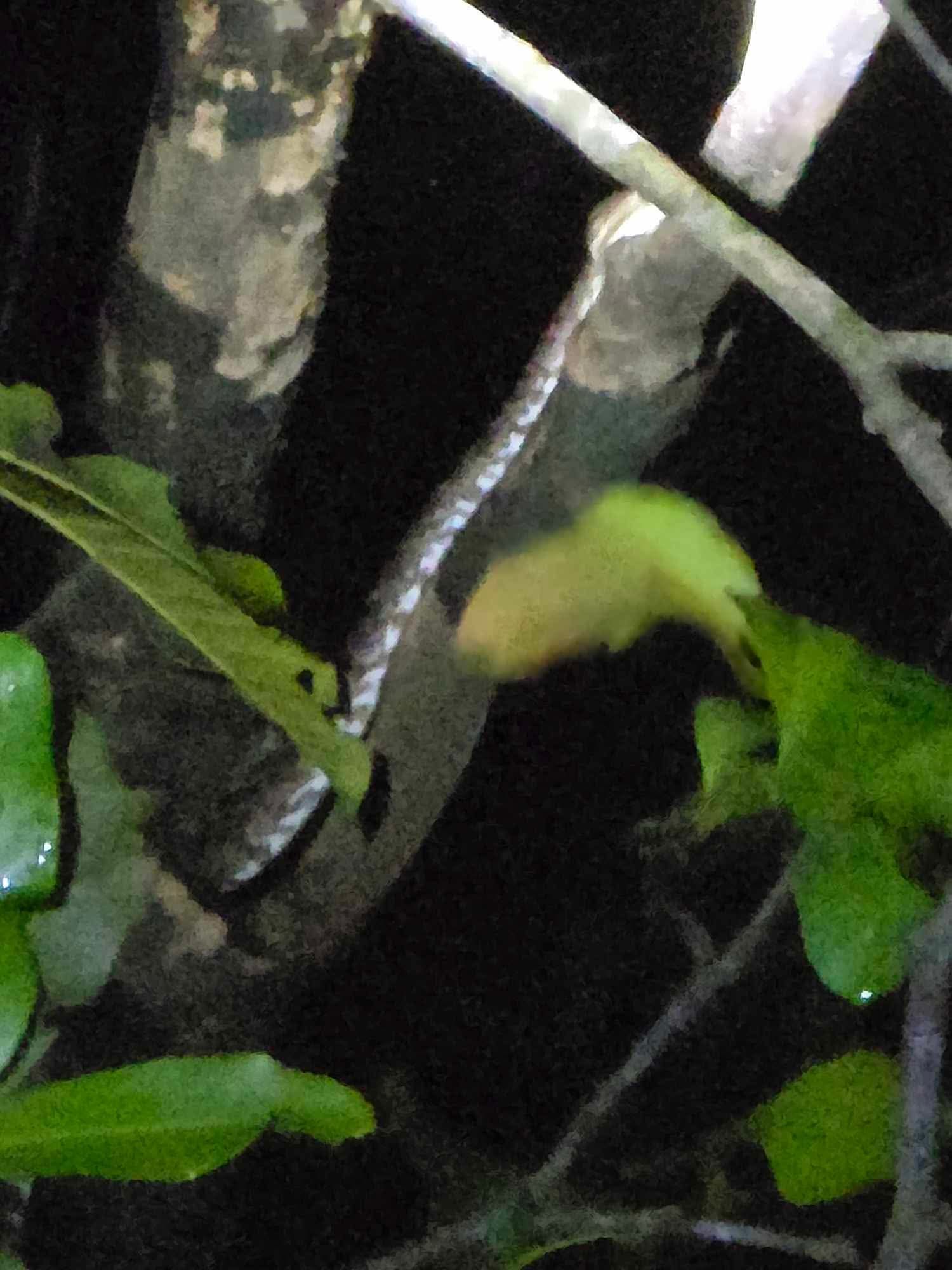
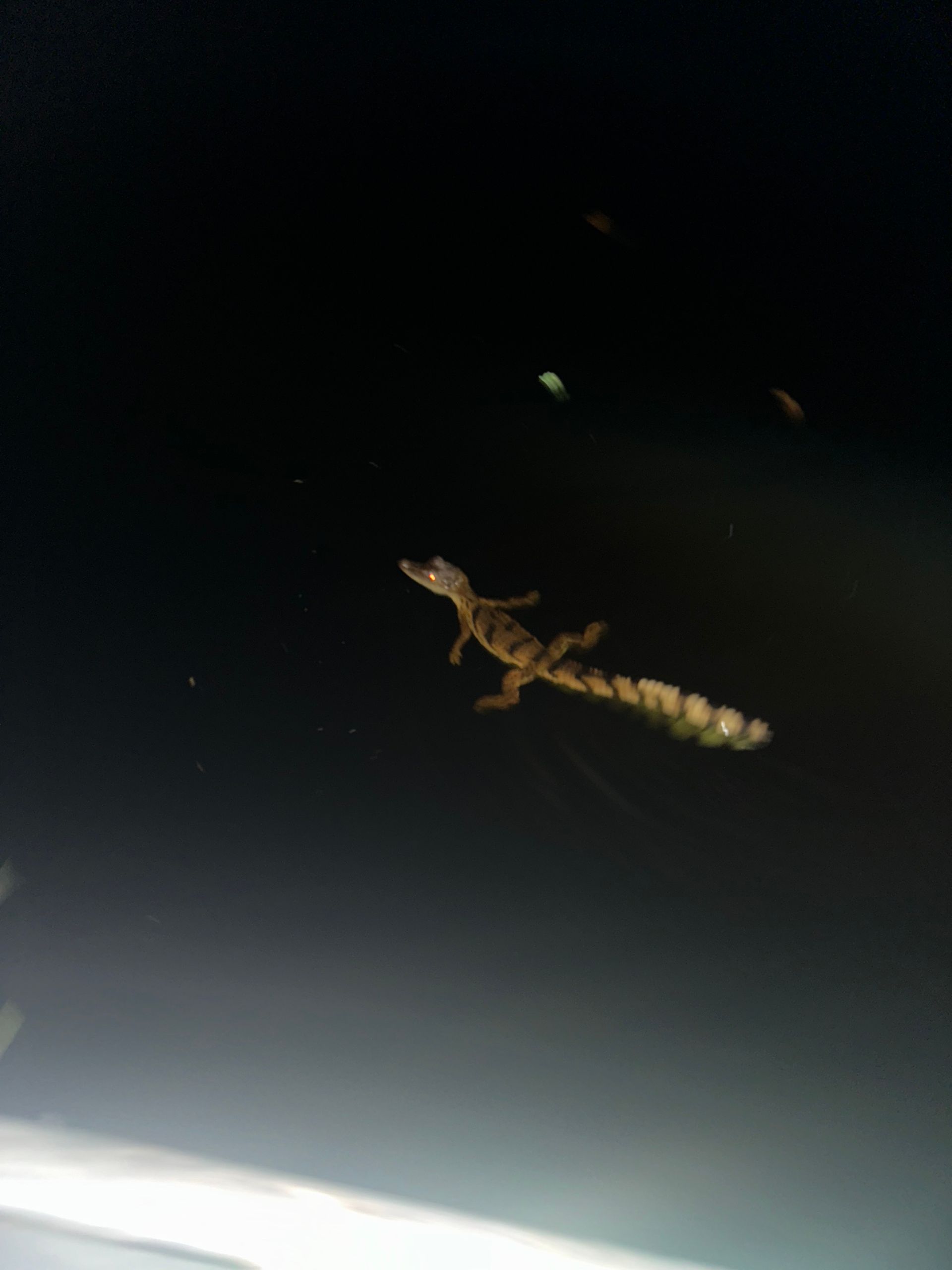
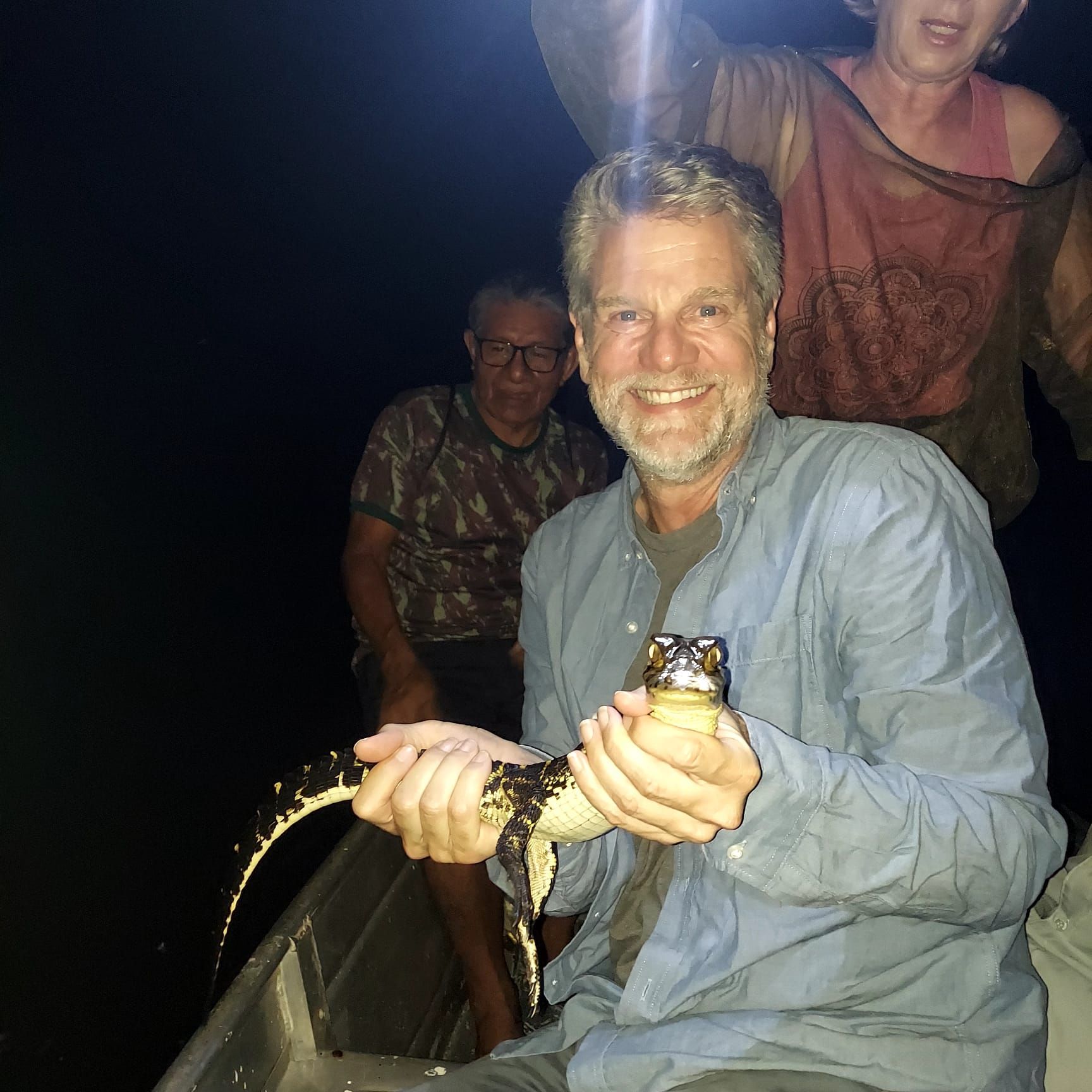
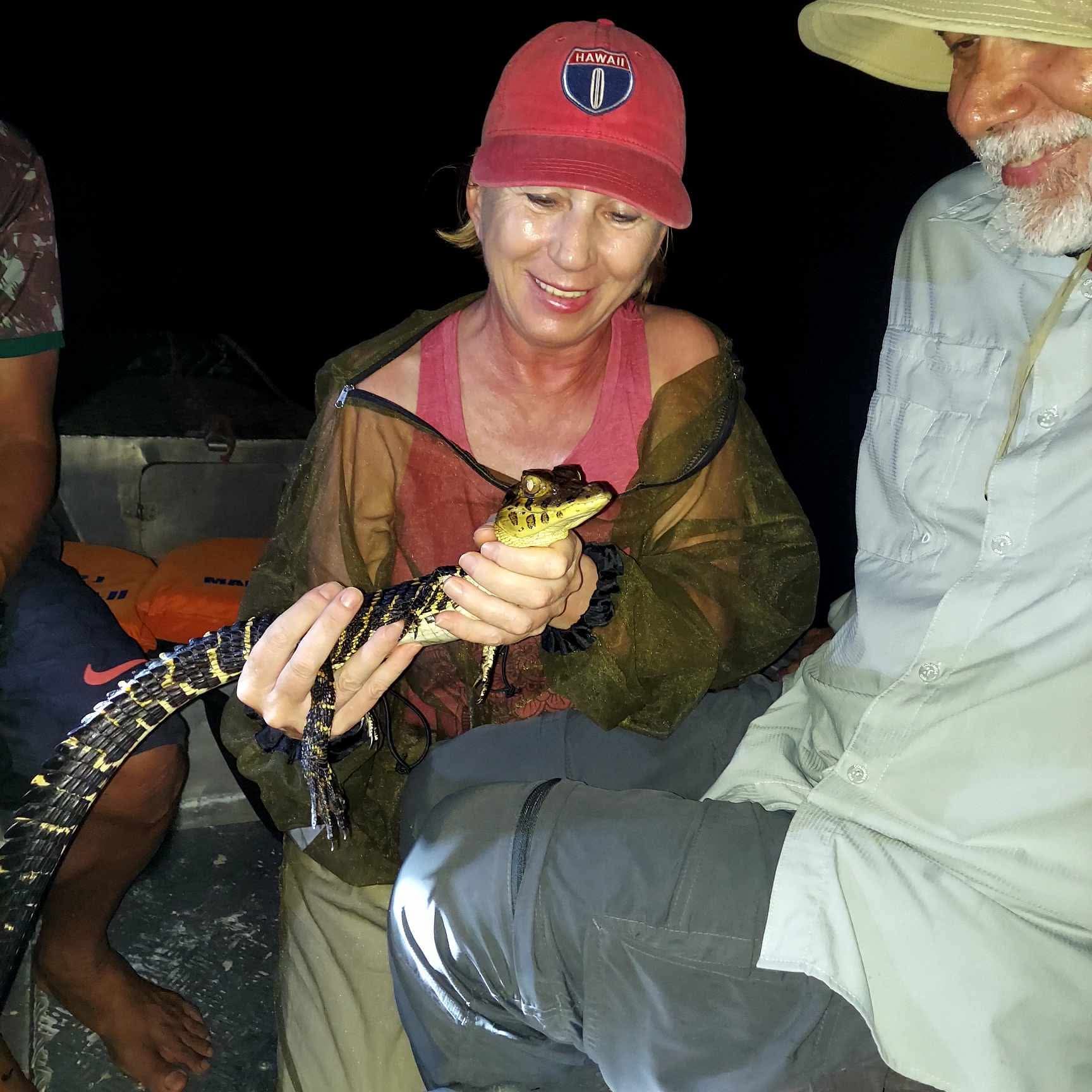
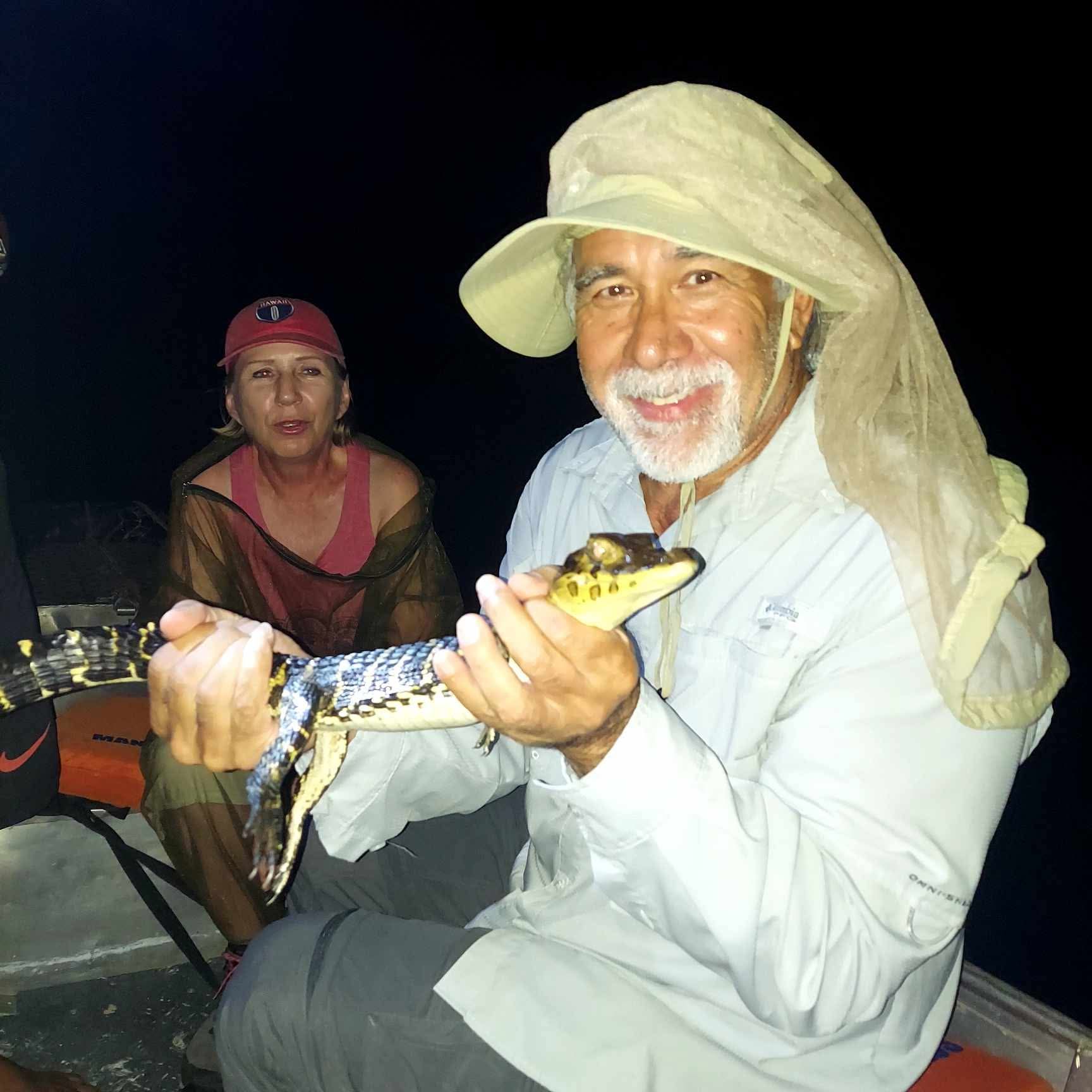
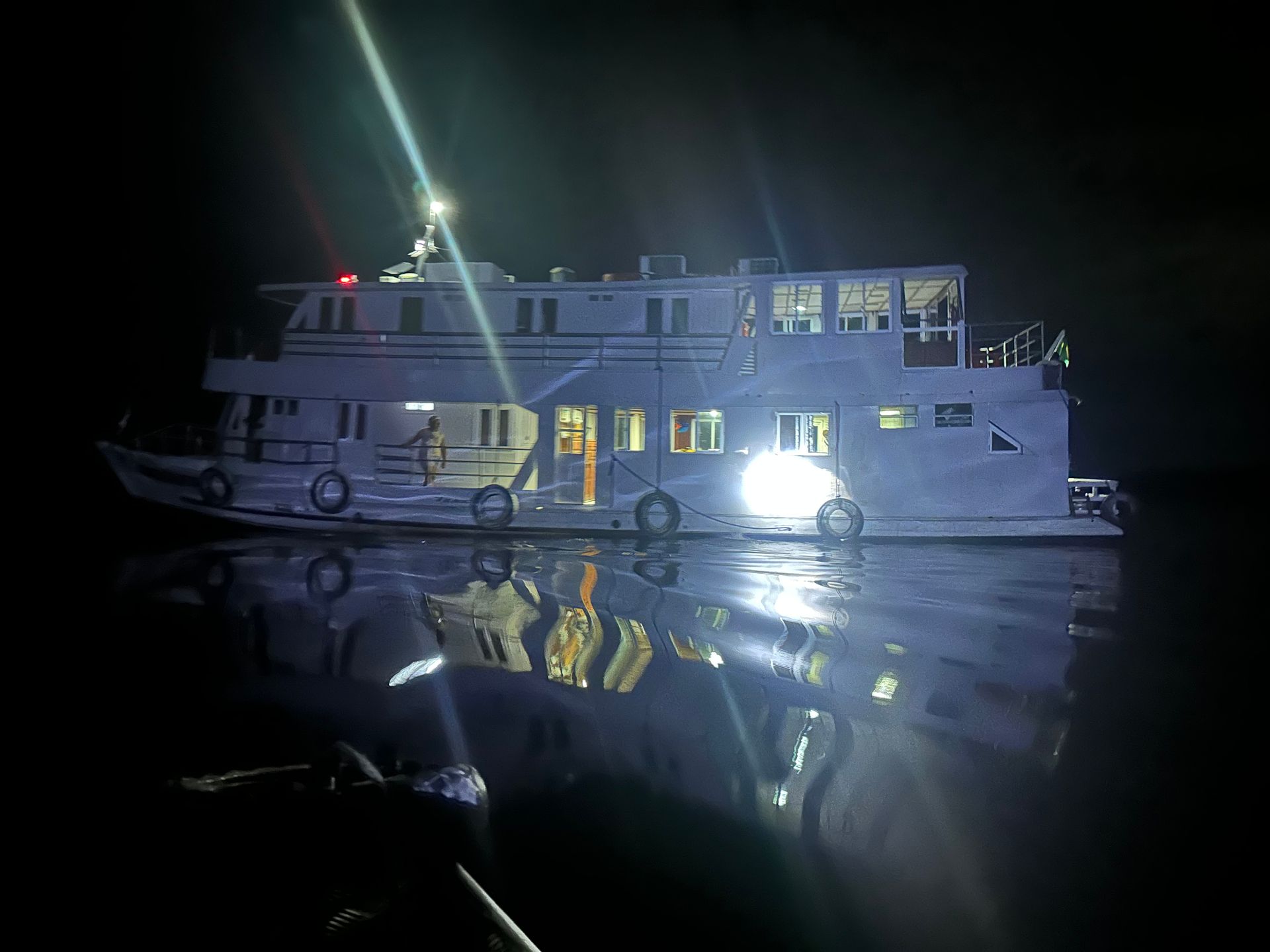
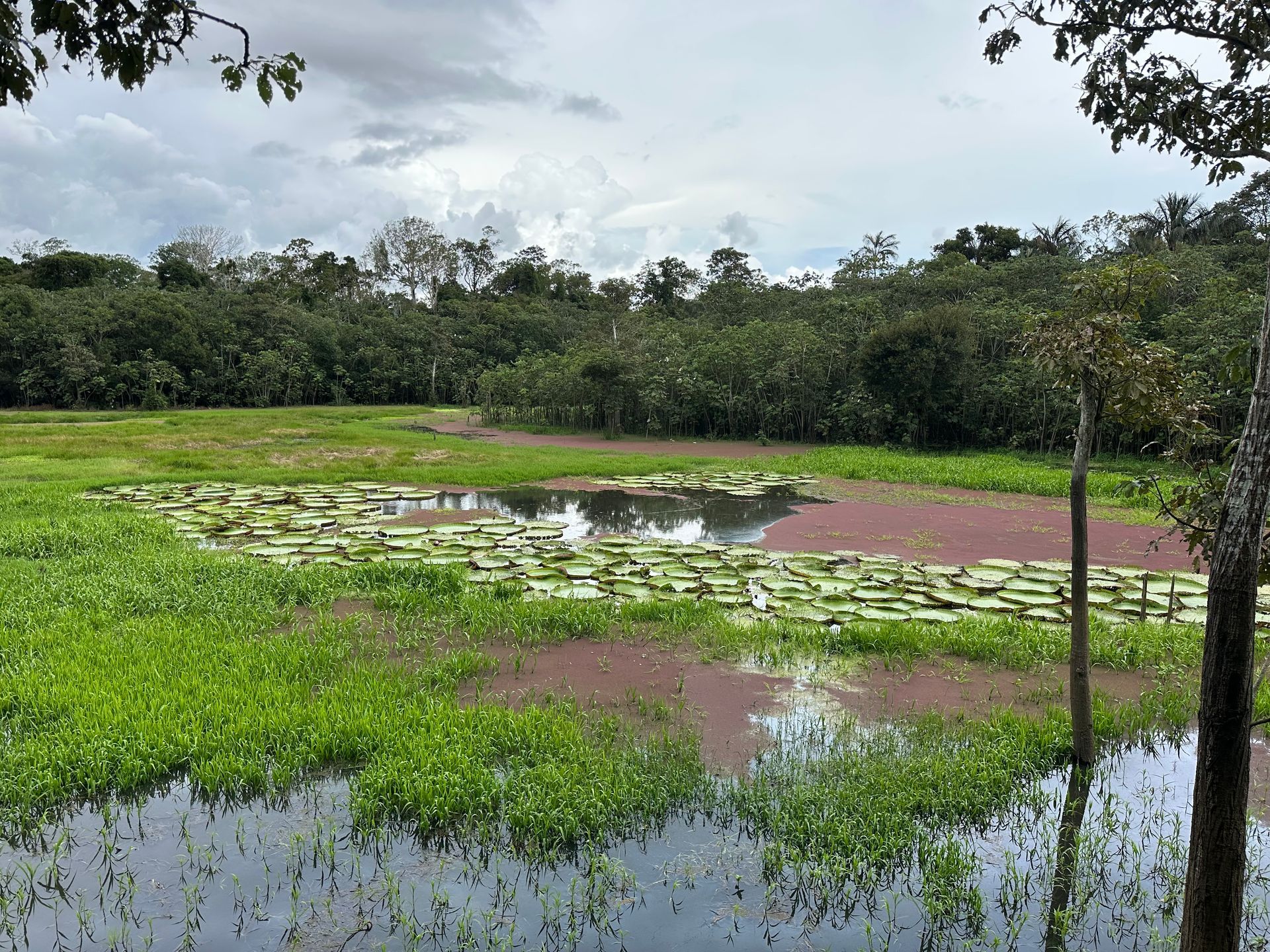
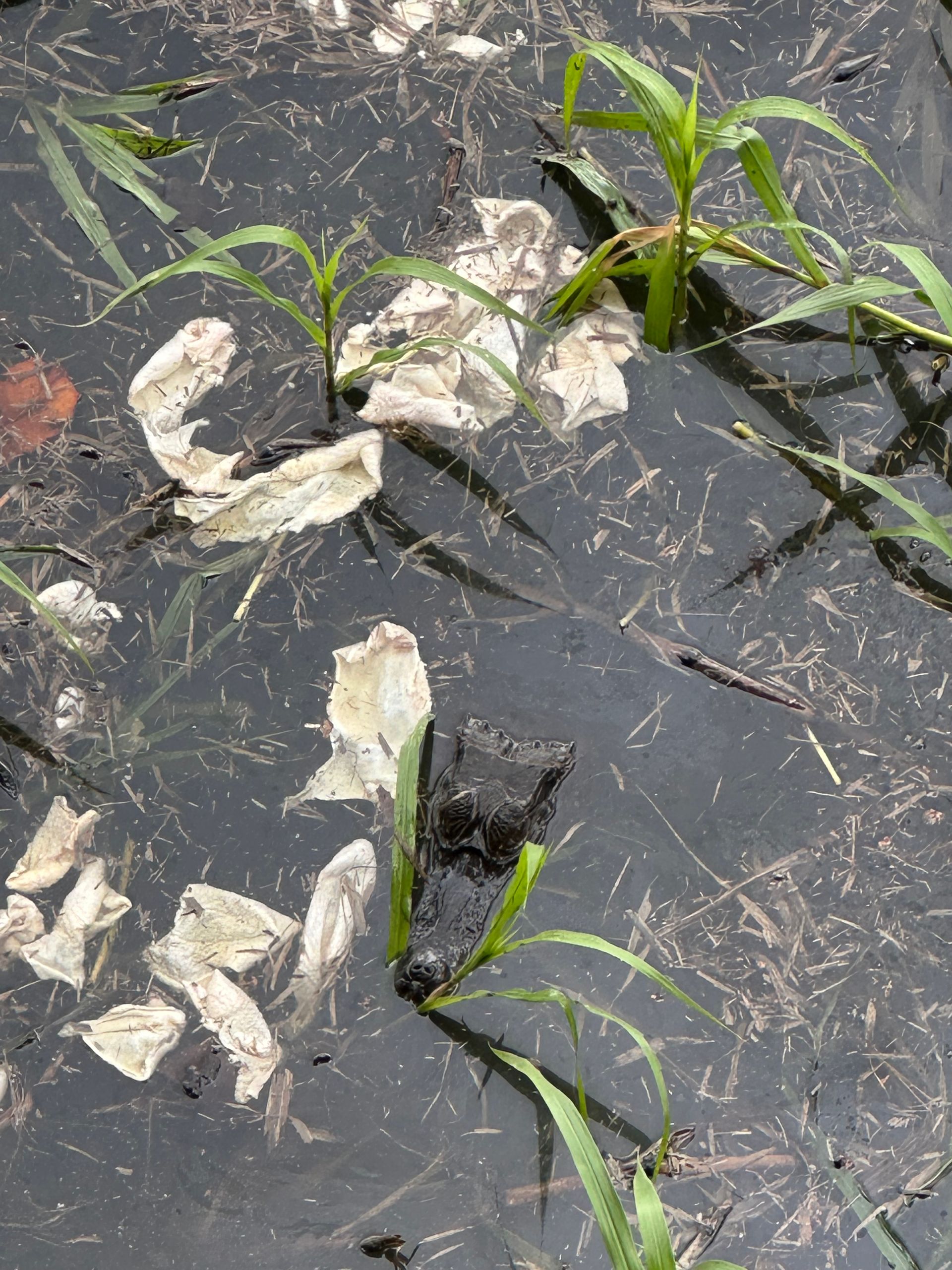
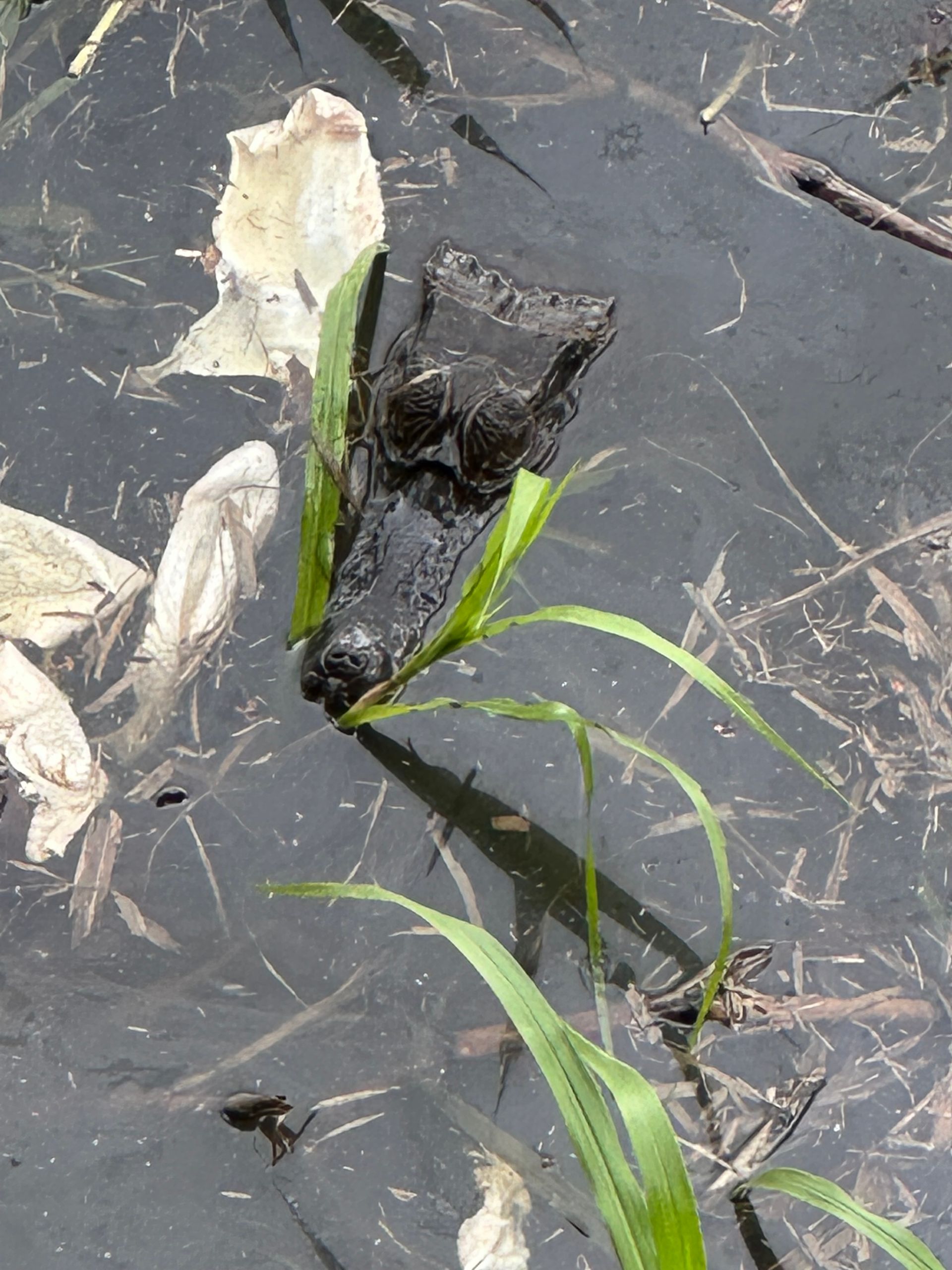
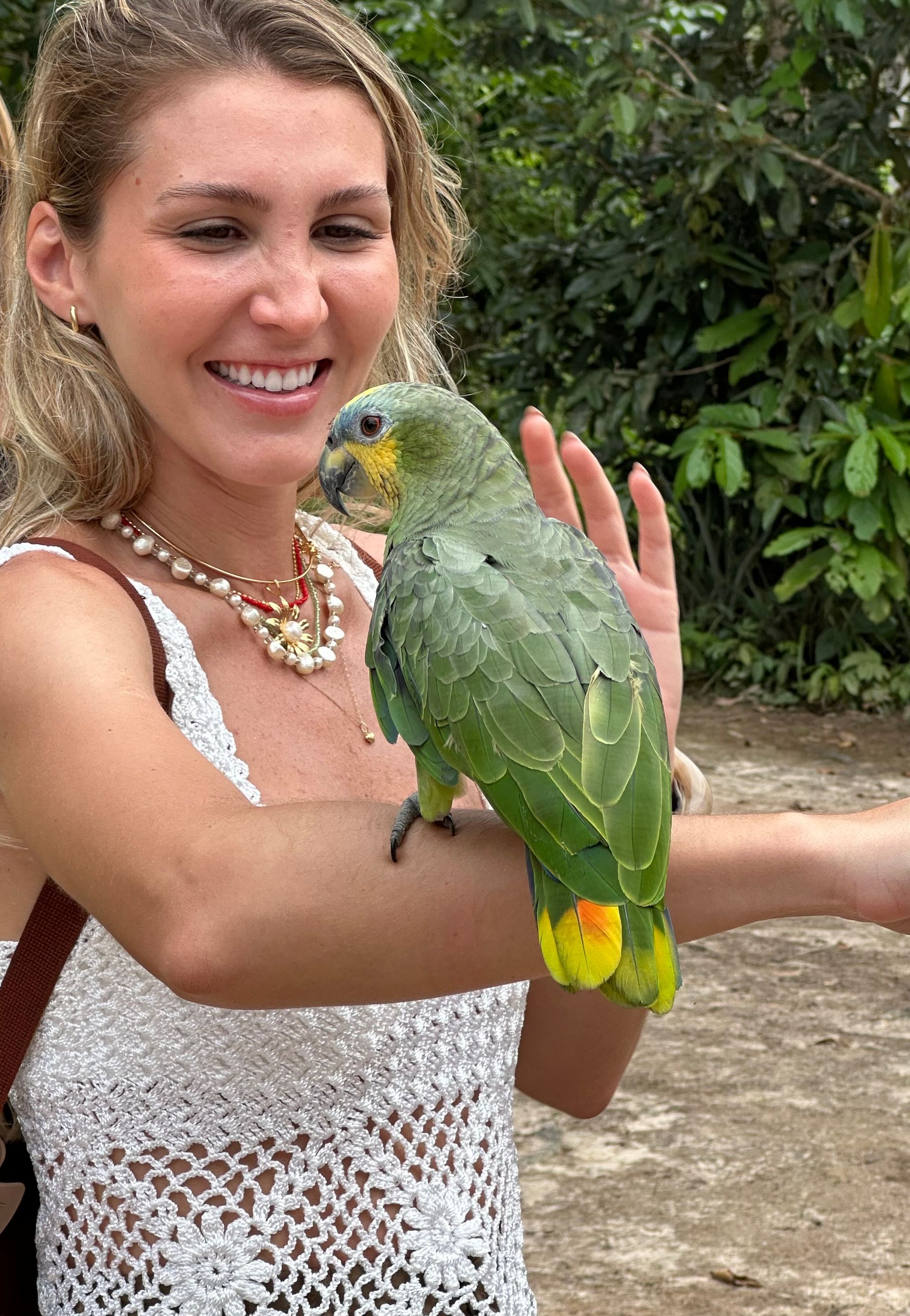
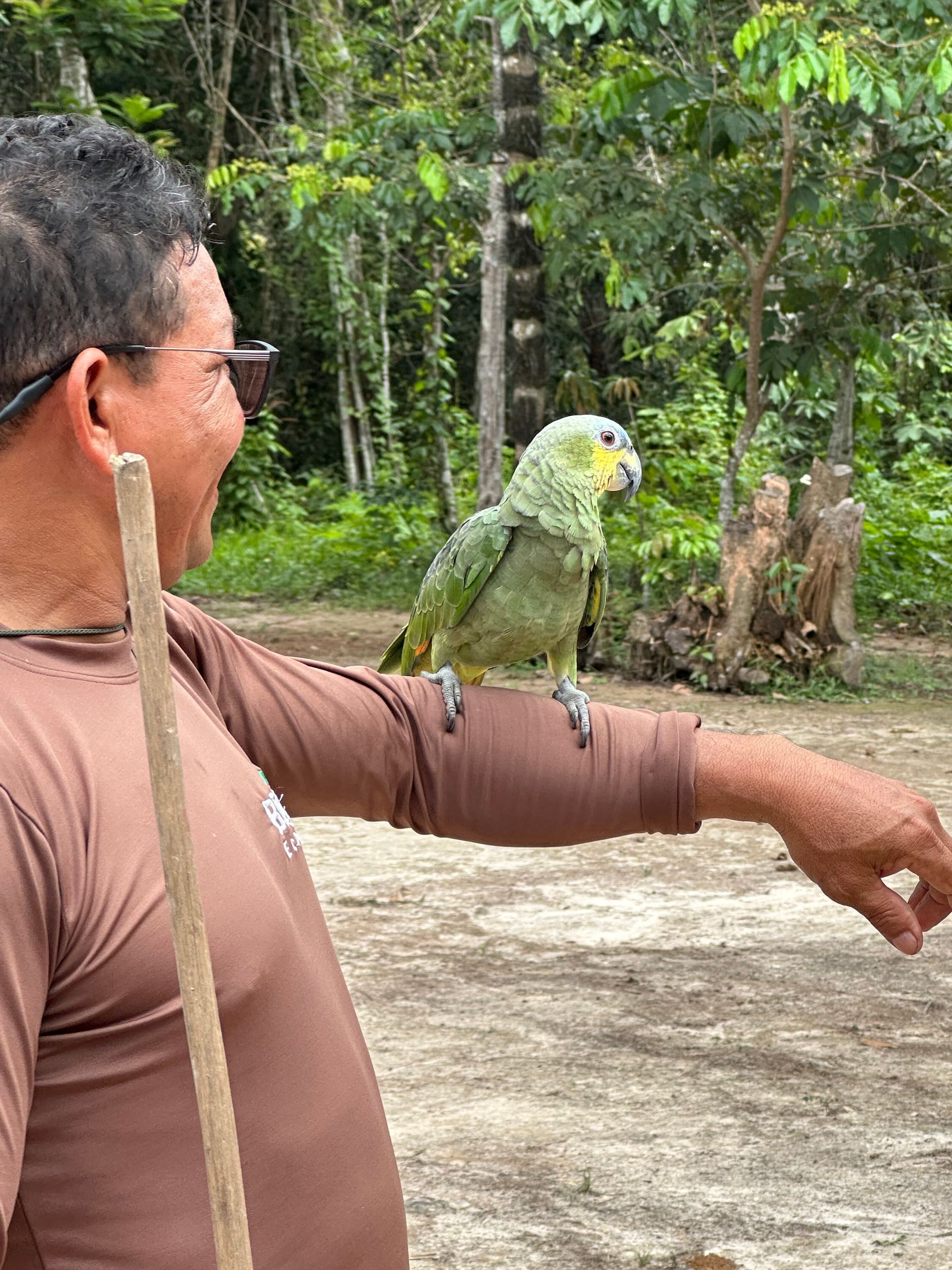
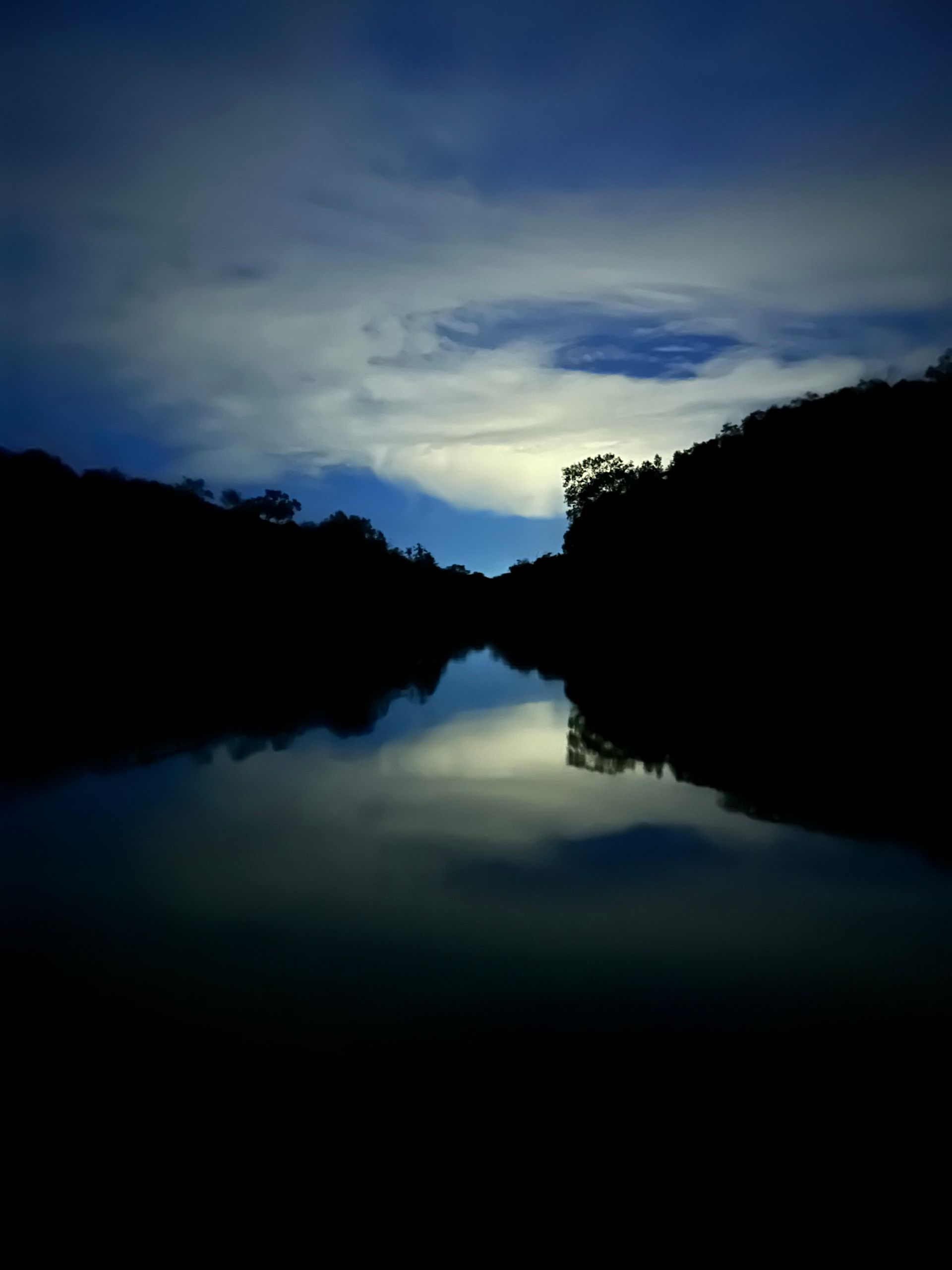
For four days and three nights we explored the various tributaries of the RIO NEGRO. Most were narrow passages like above where we rarely saw another boat. It was so peaceful. We did lots of excursions on the motorized skiff  to get deeper into the Rainforest. At dark we would go out with the first mate and guide, who used a strong flashlight to spot eyeballs of critters. We saw baby owls, a snake, caimans ( their version of alligators), lots of noisy birds and bats.
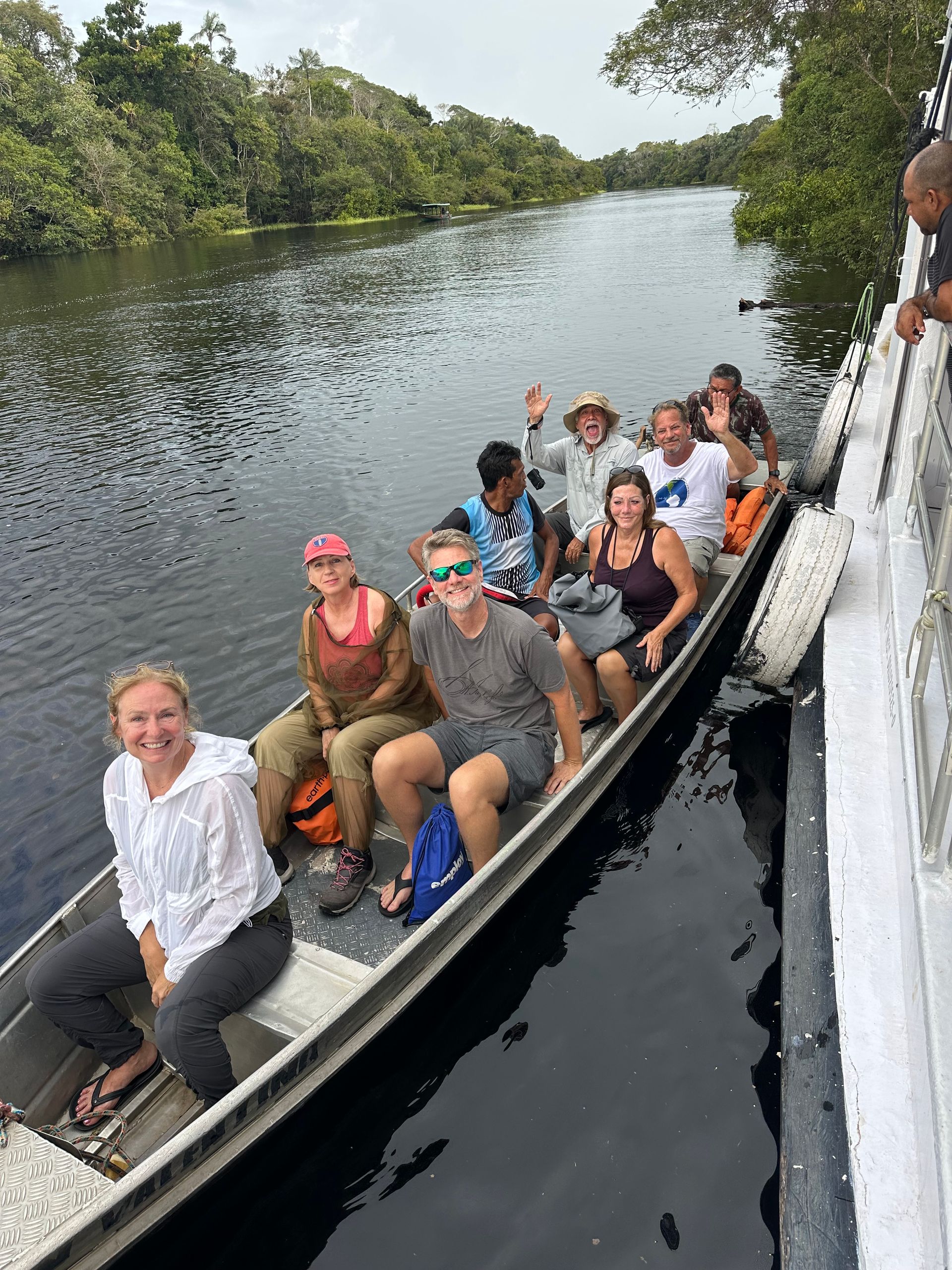
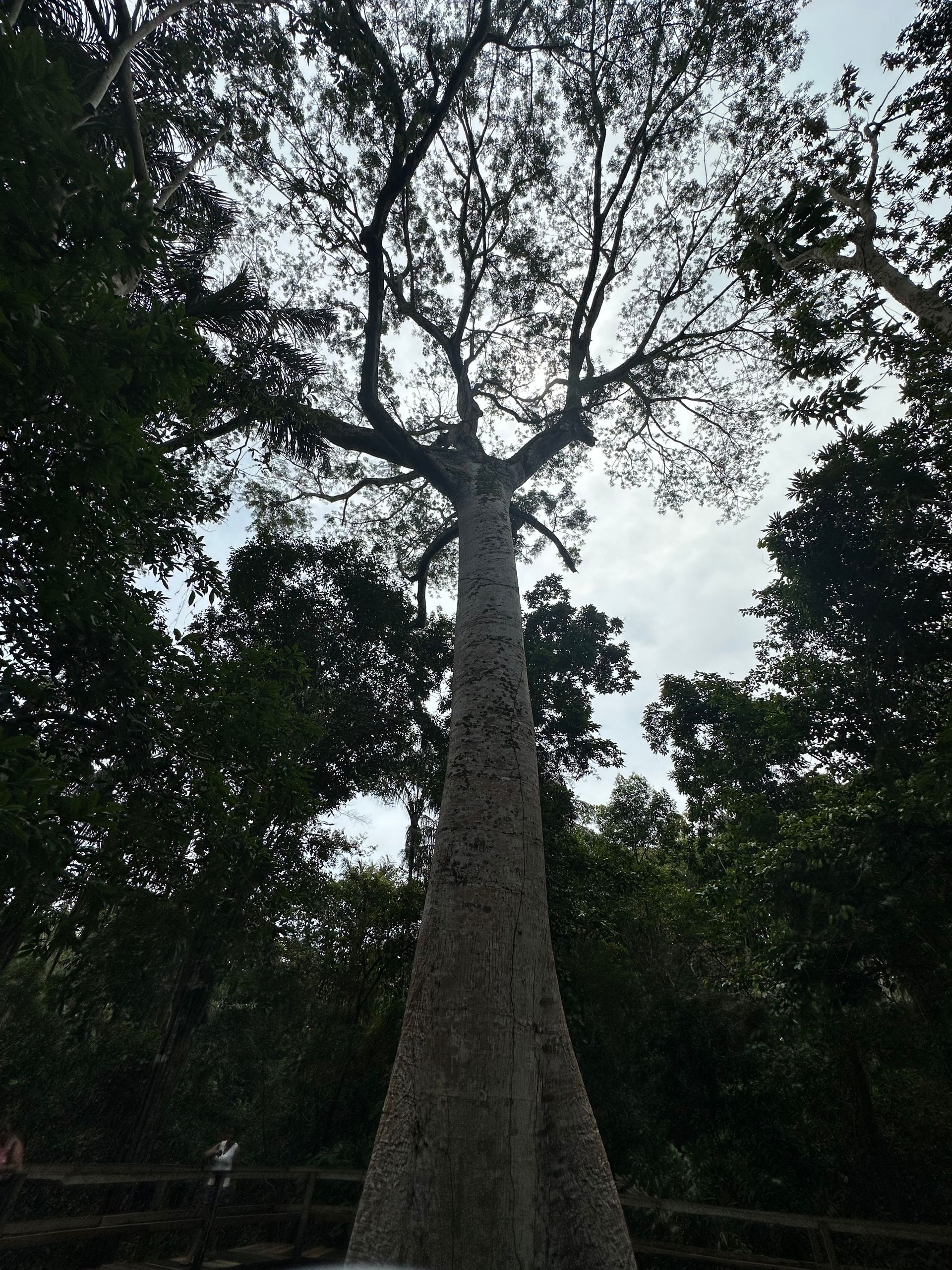
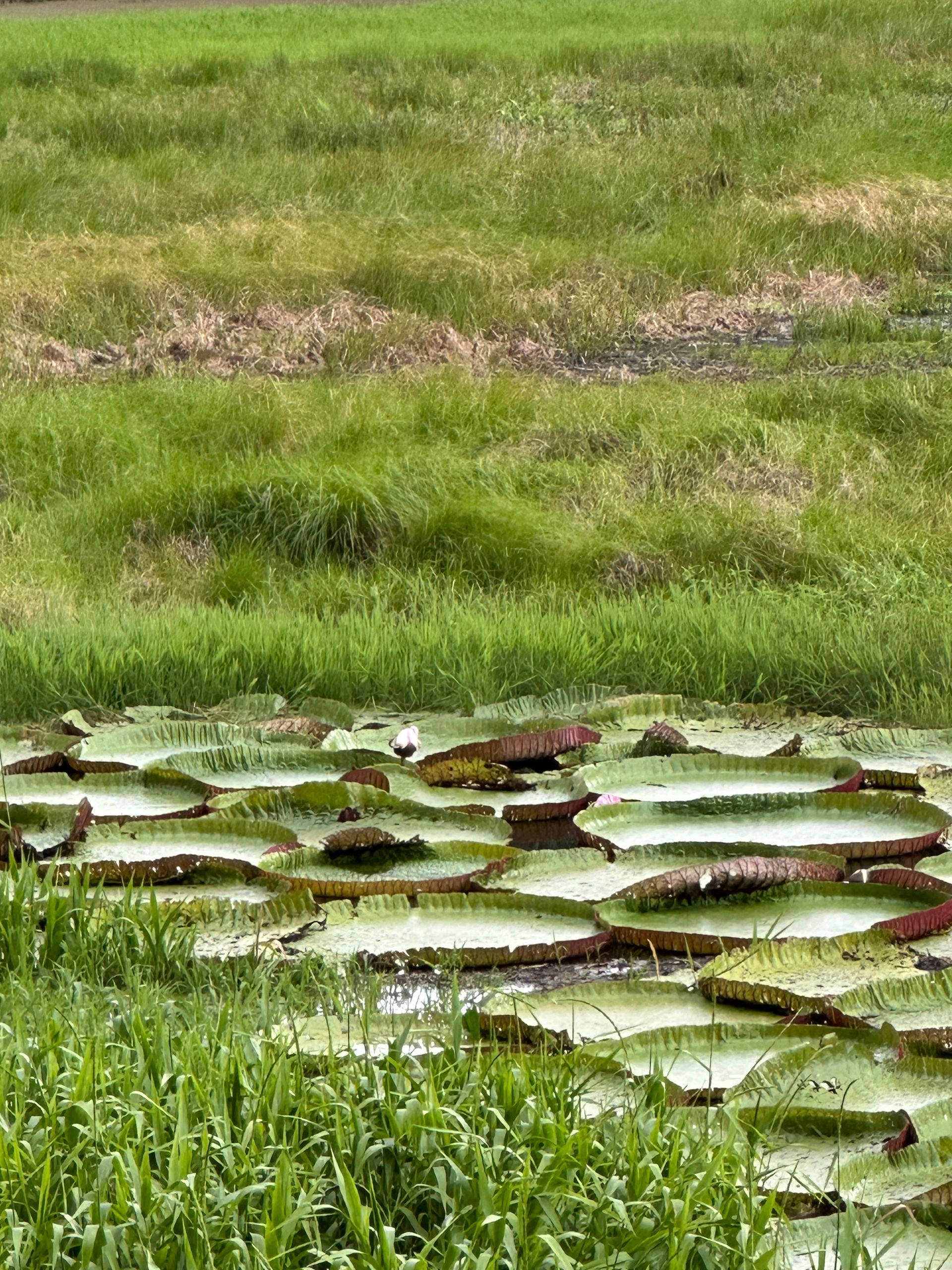
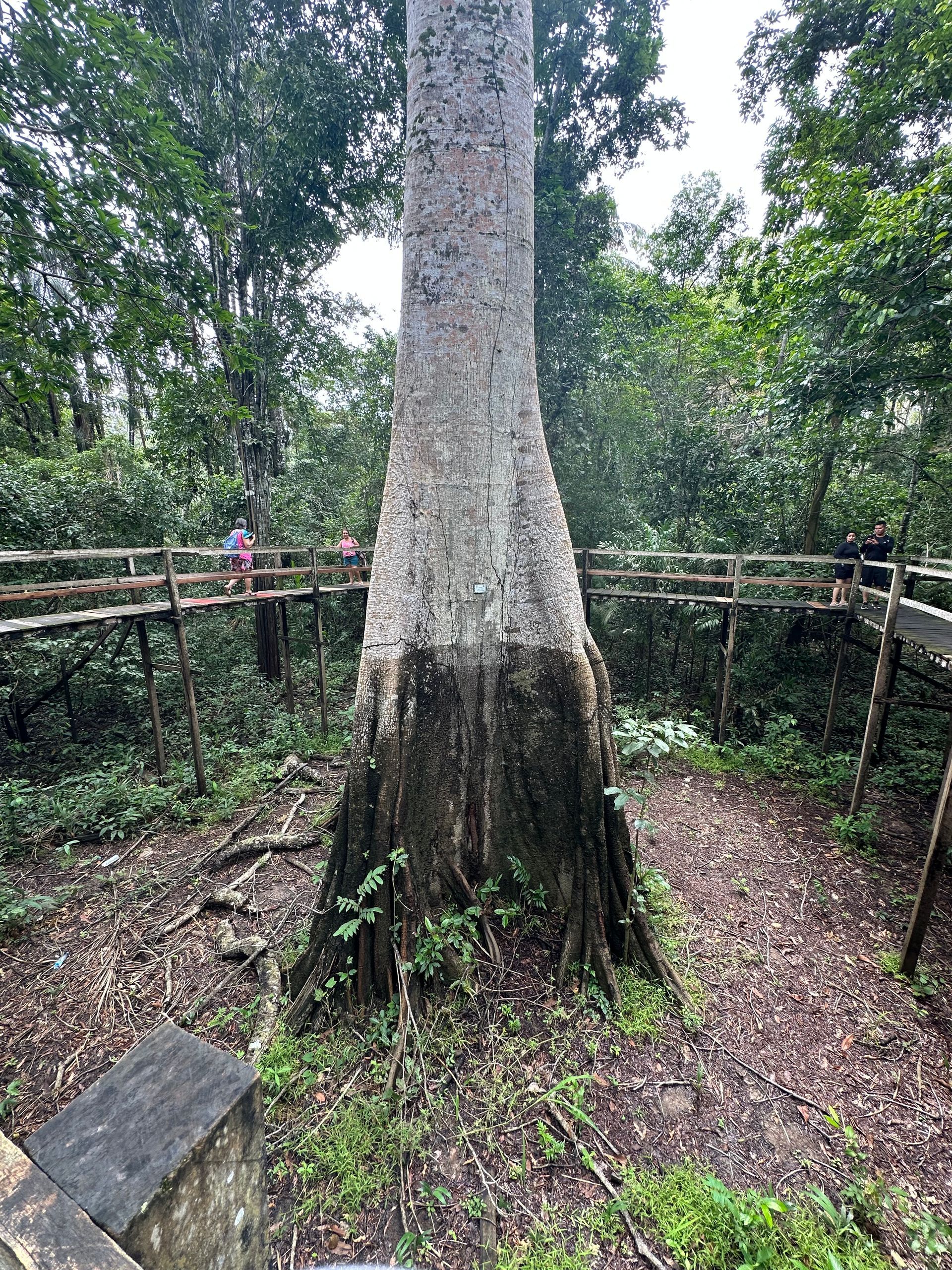
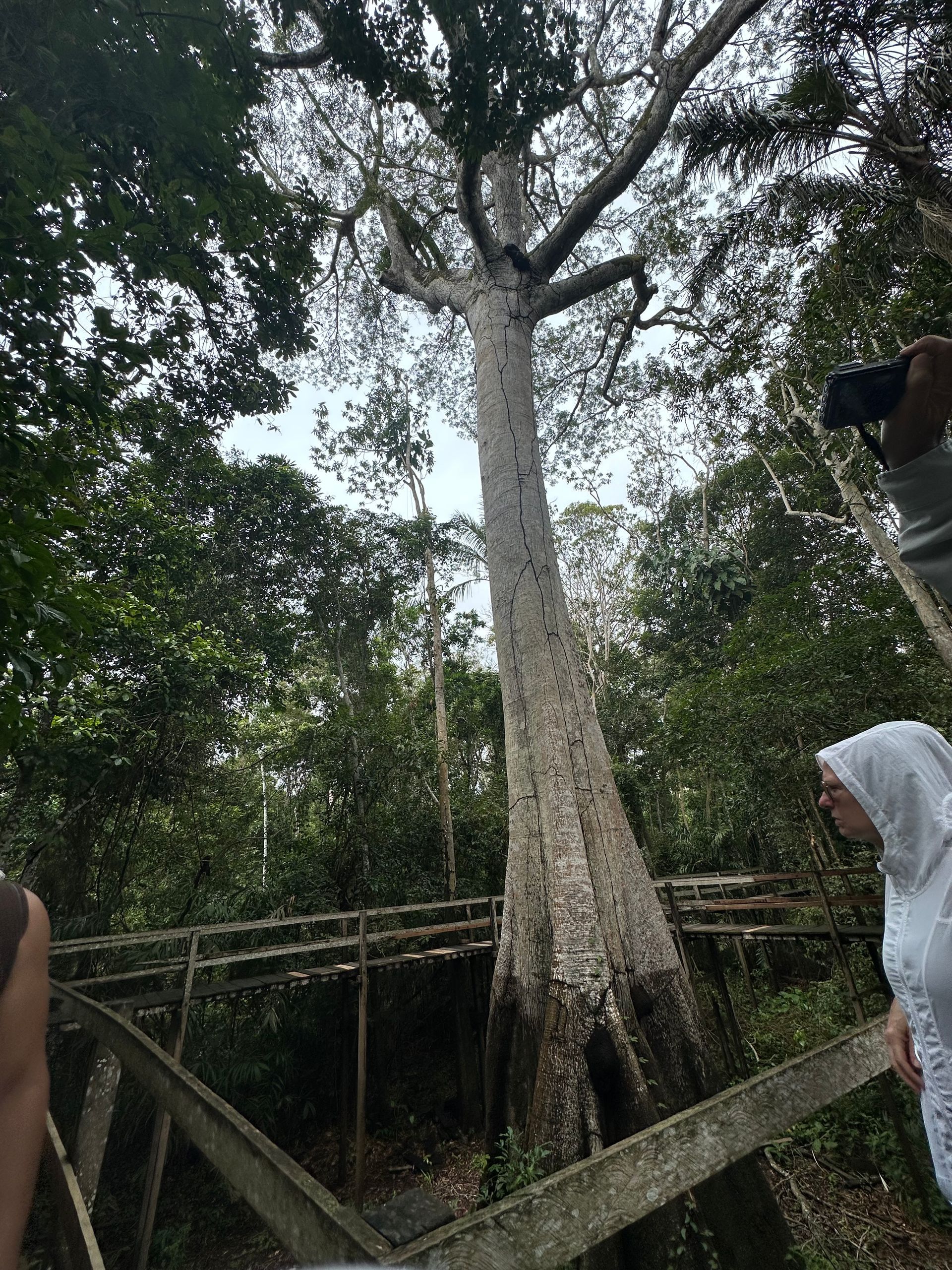
We went on treks into the forest. We had to stay on small narrow paths, in single file and the second day we even had the owner of the property with us, to lead the way and use his machete to clear various obstacles or give us pathways thru water crossings. Learned that lily pads all start with white flower, then the flower traps a bee inside its petals overnight and the next day releases the bee after it has pollinated the flower and the flower has now turned pink.We were there at the start of the rainy season, you can see on the tree bark how much higher the waters are to get before the season is over.
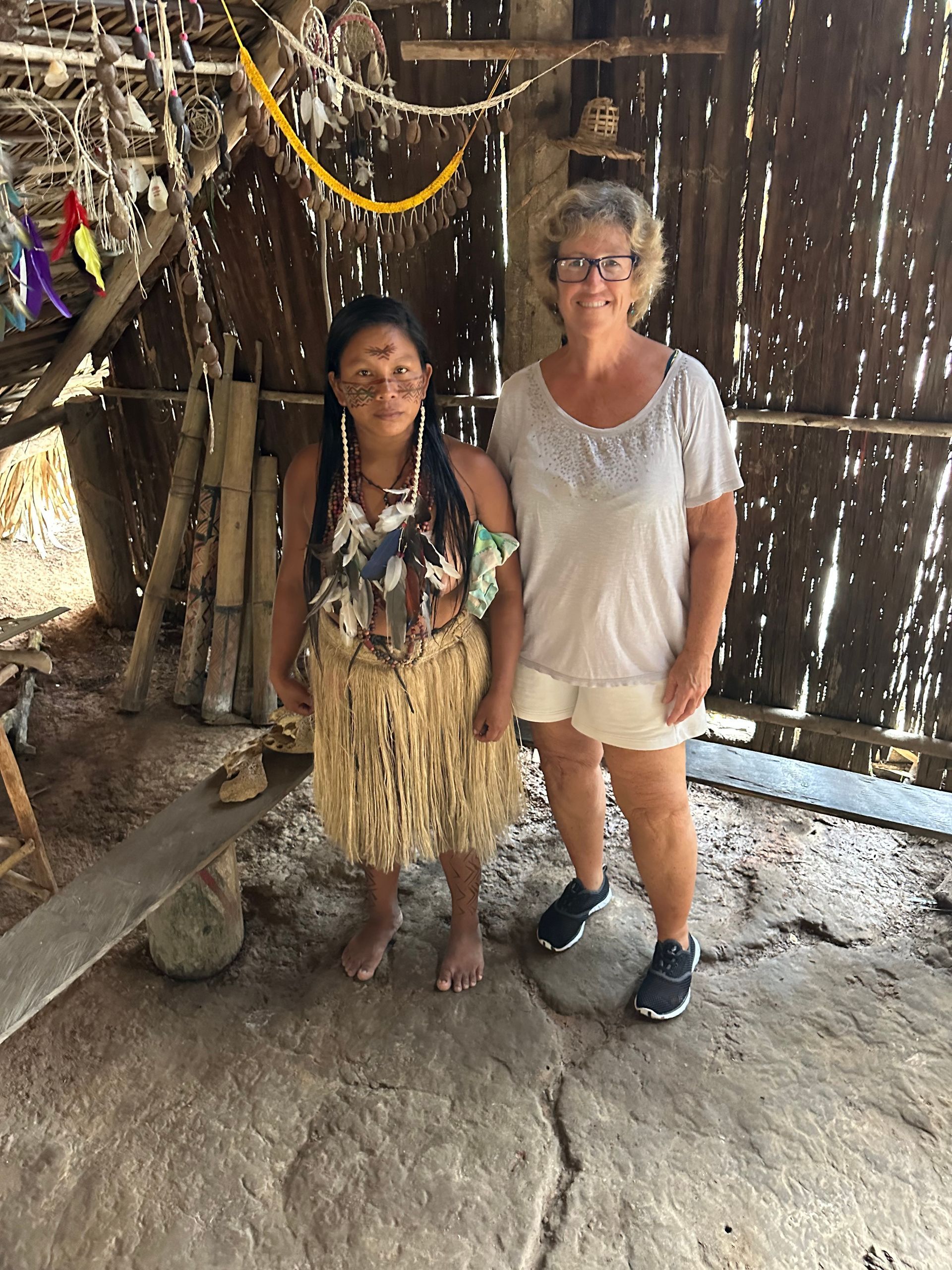
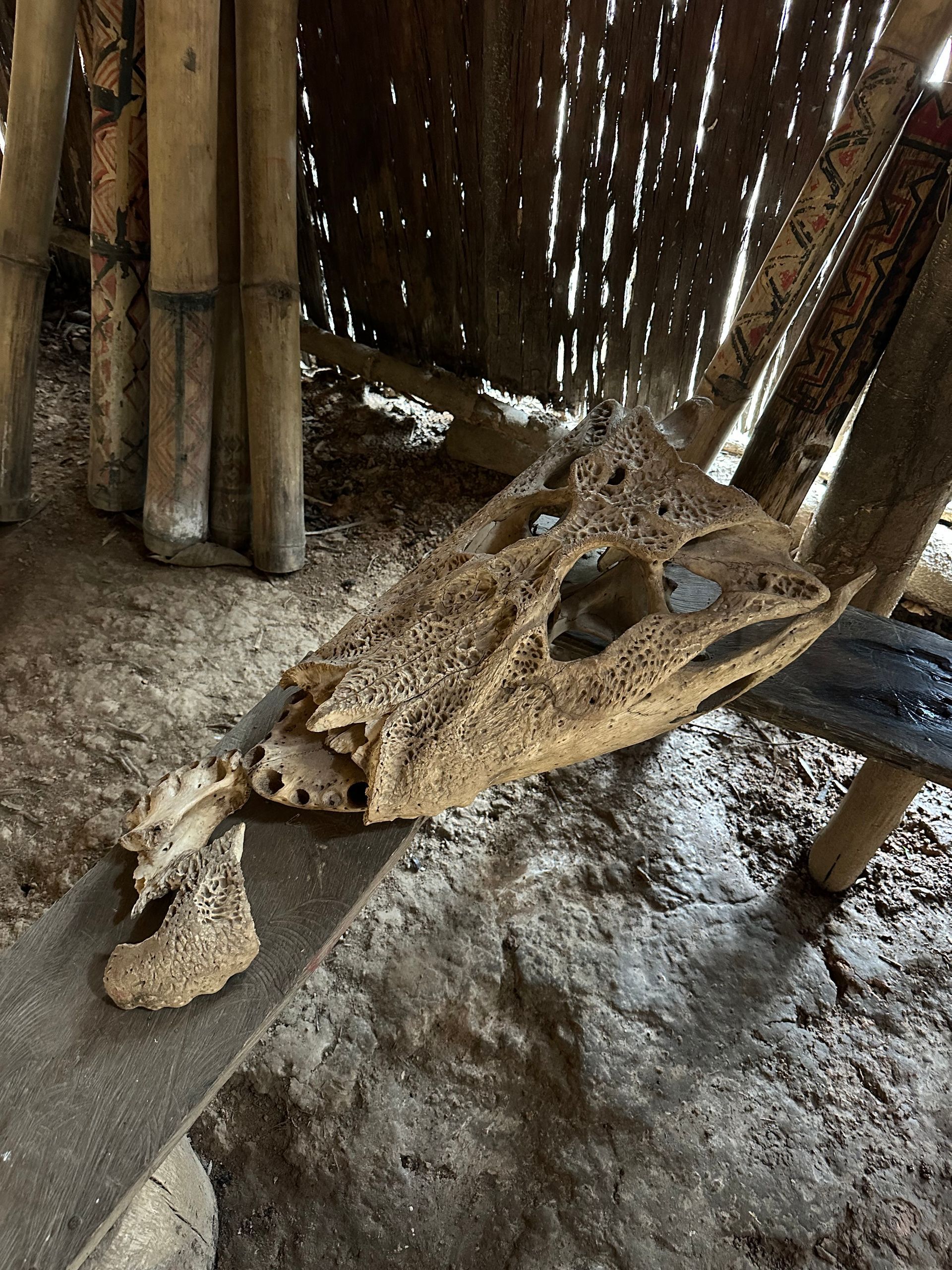
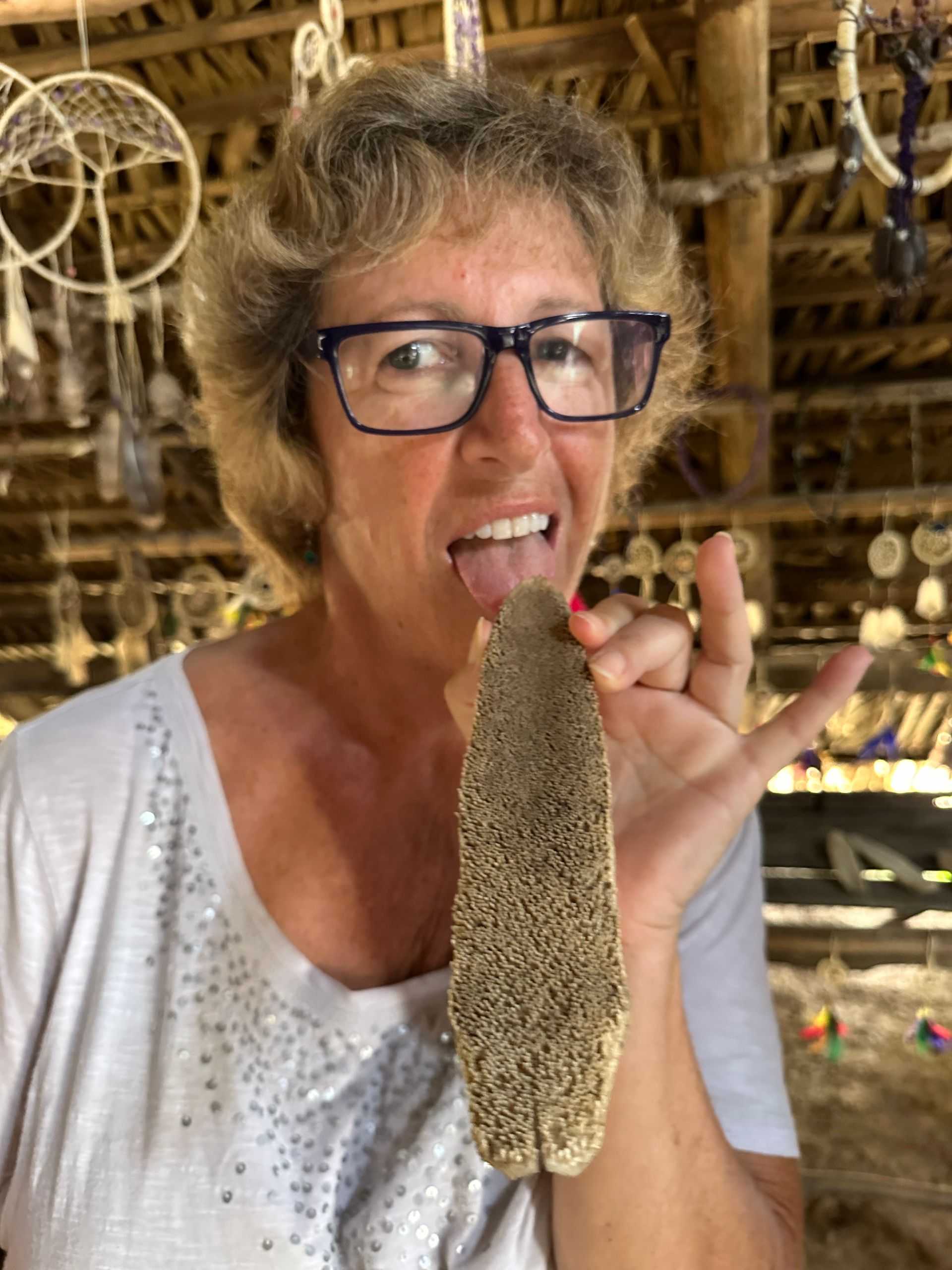
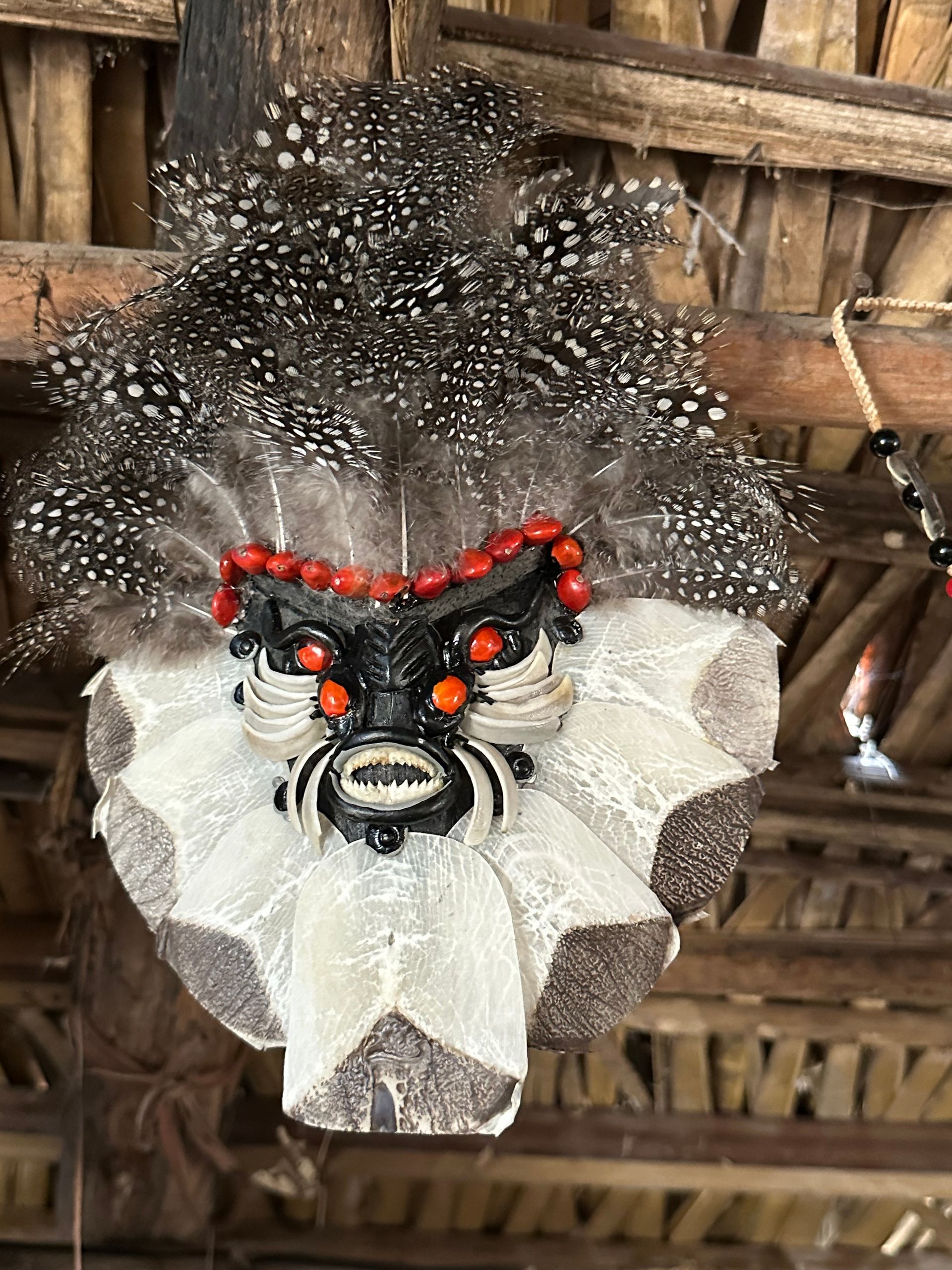
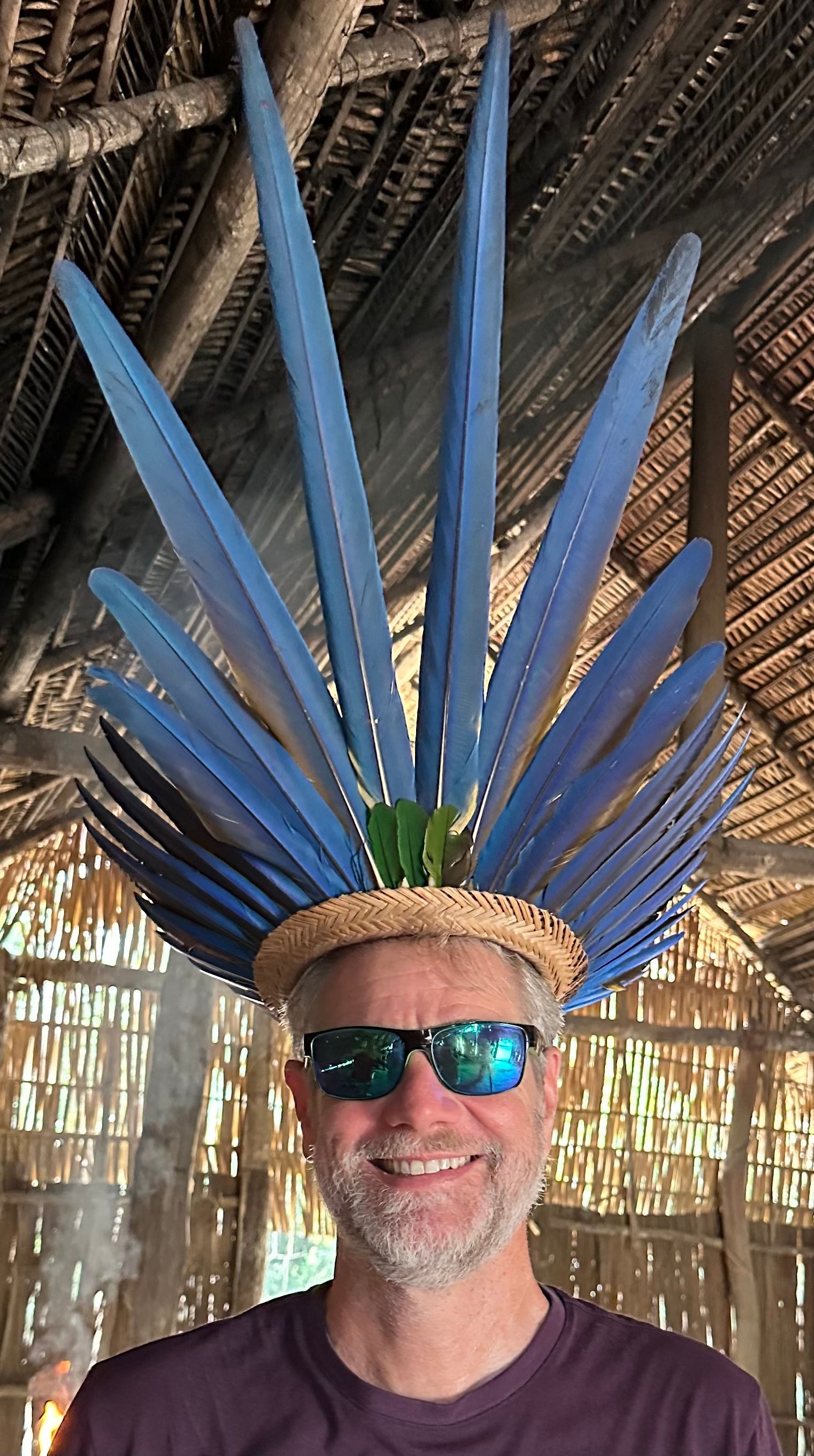
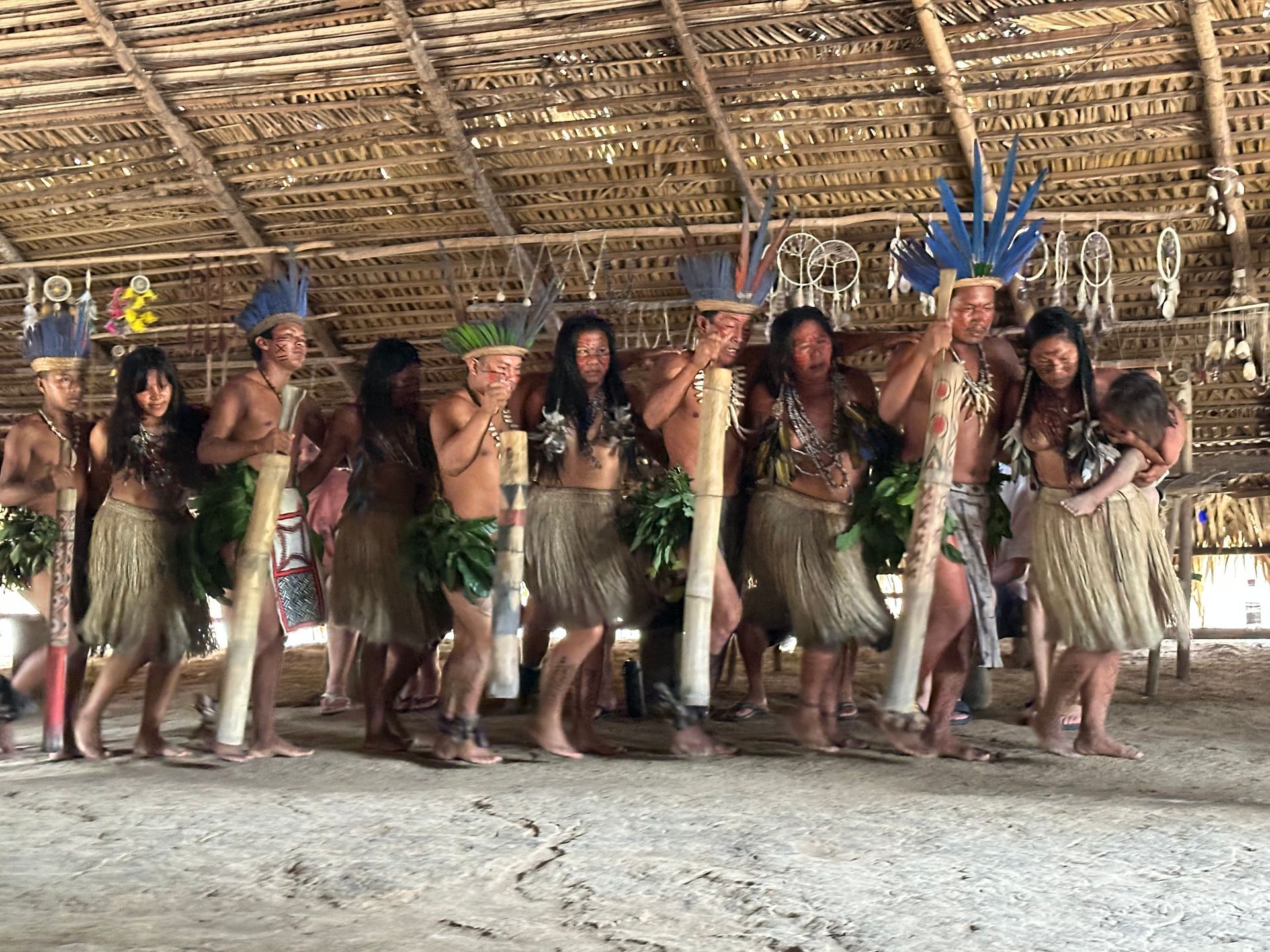
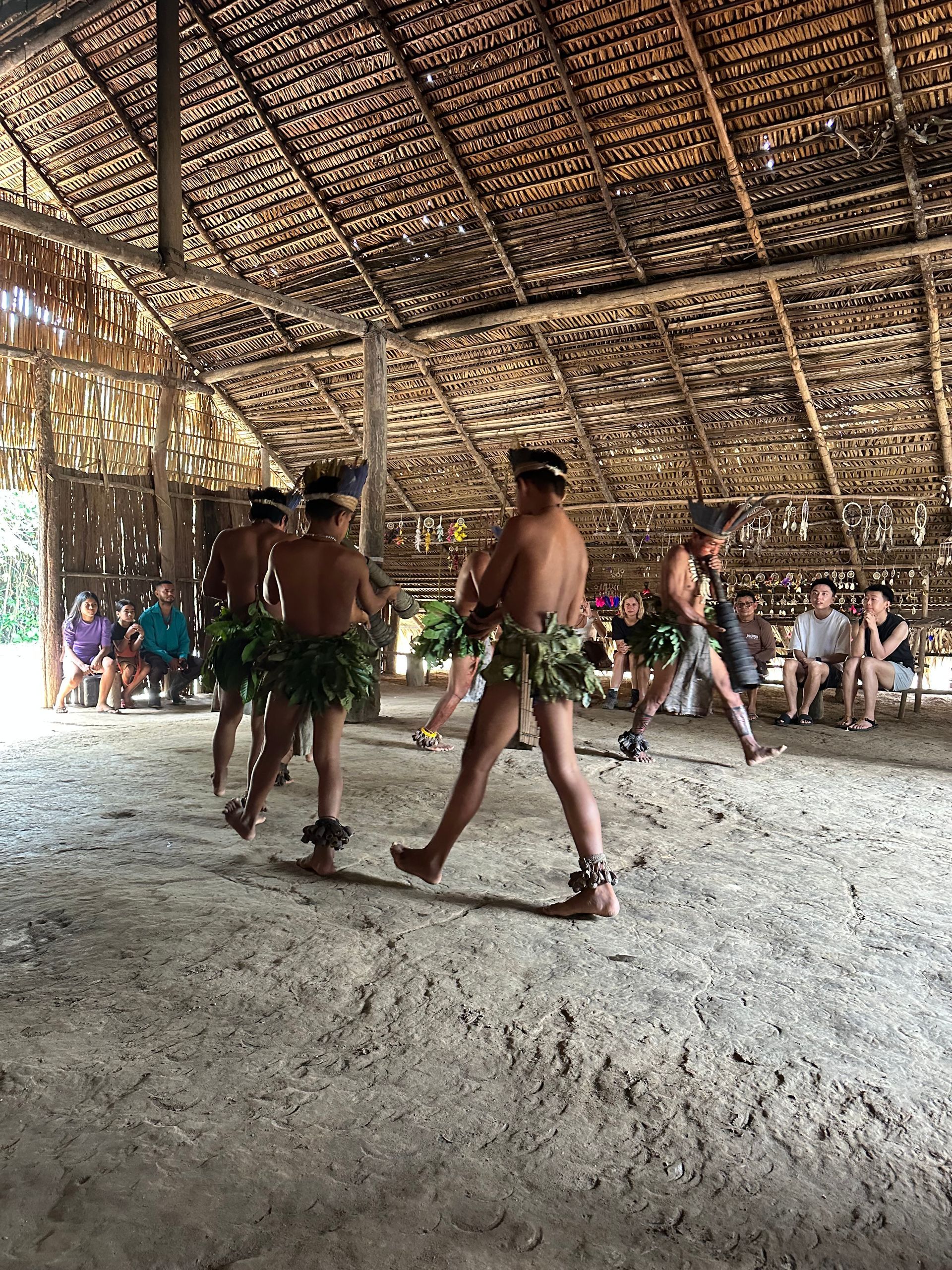
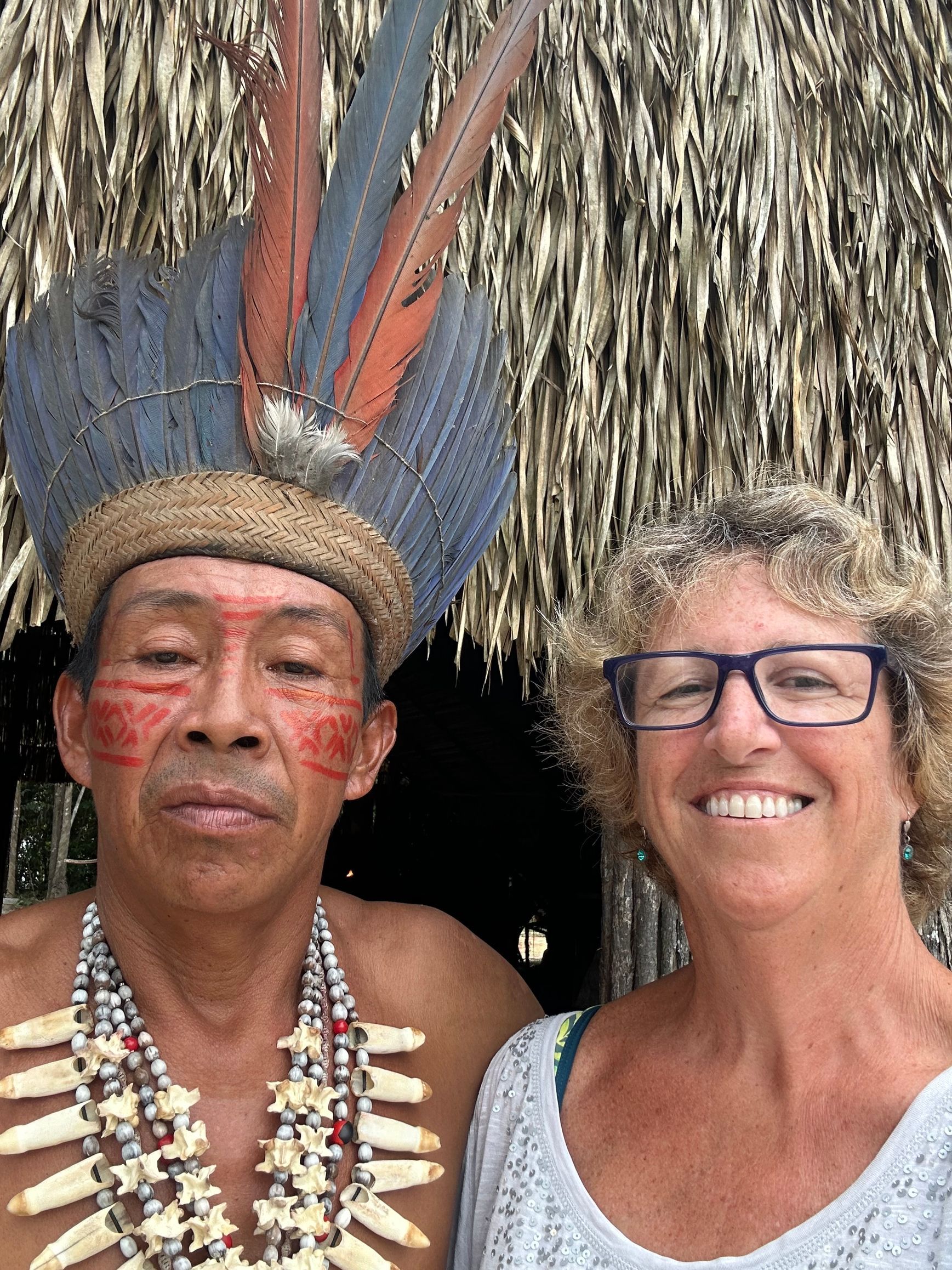
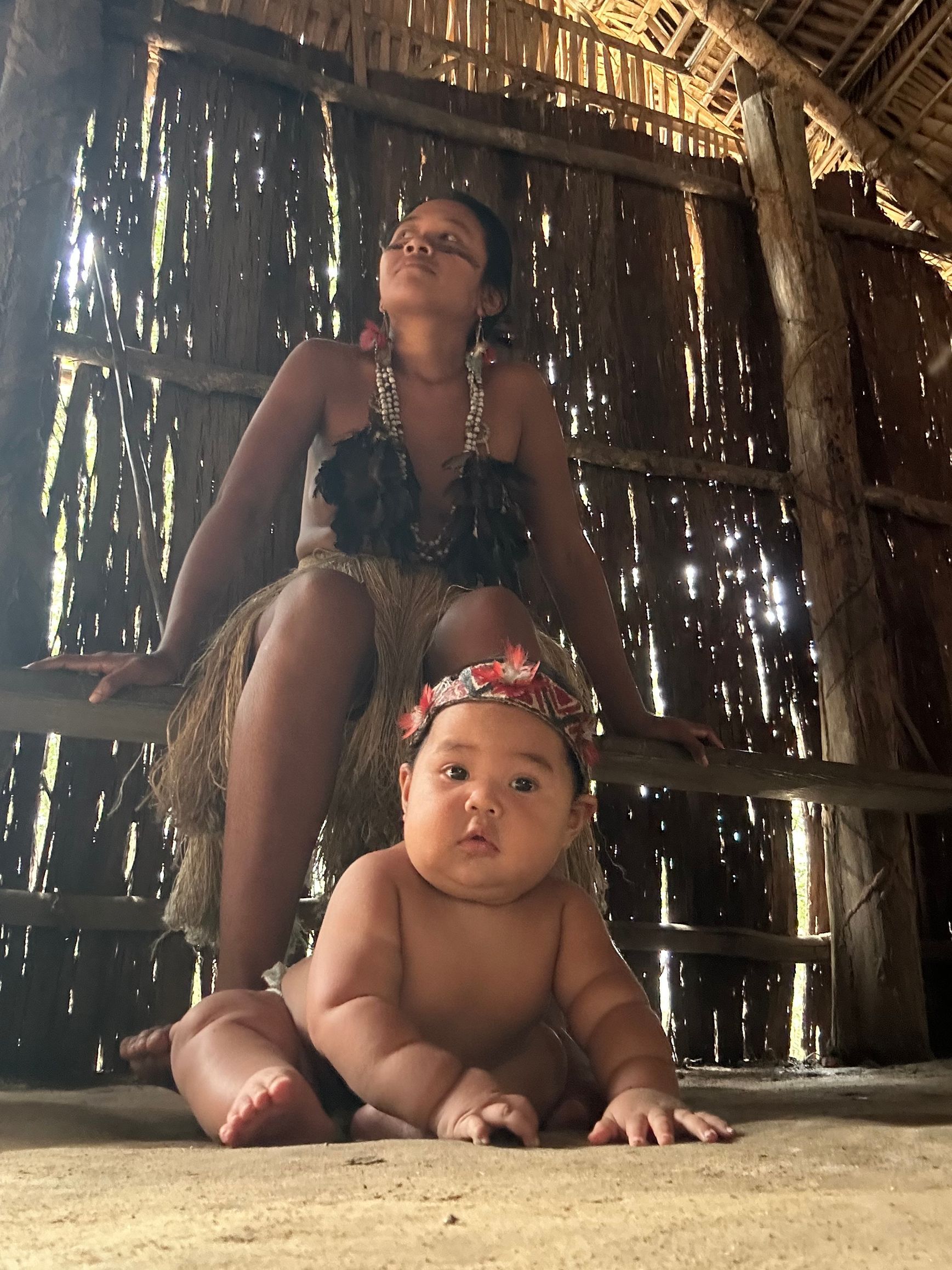
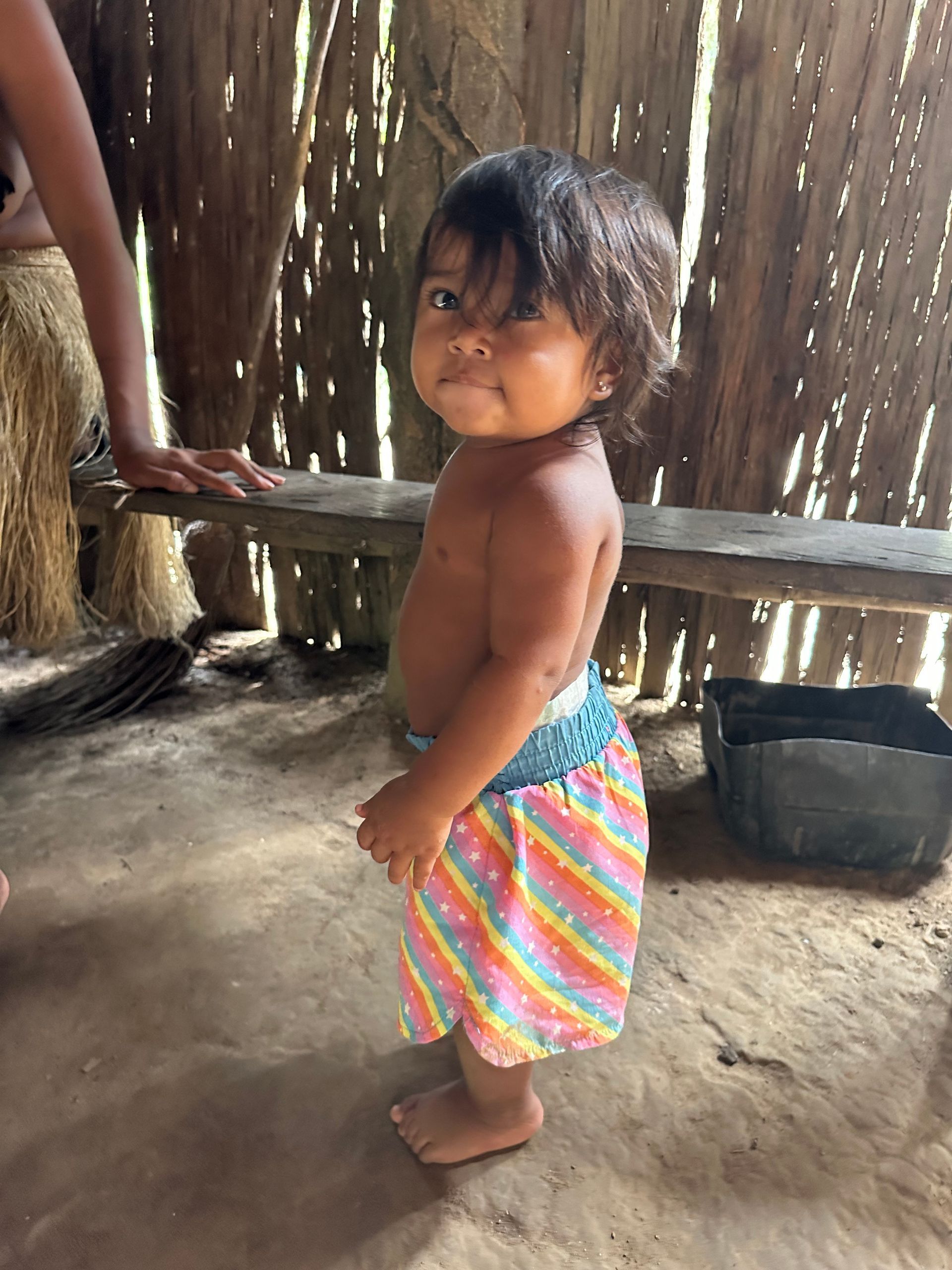
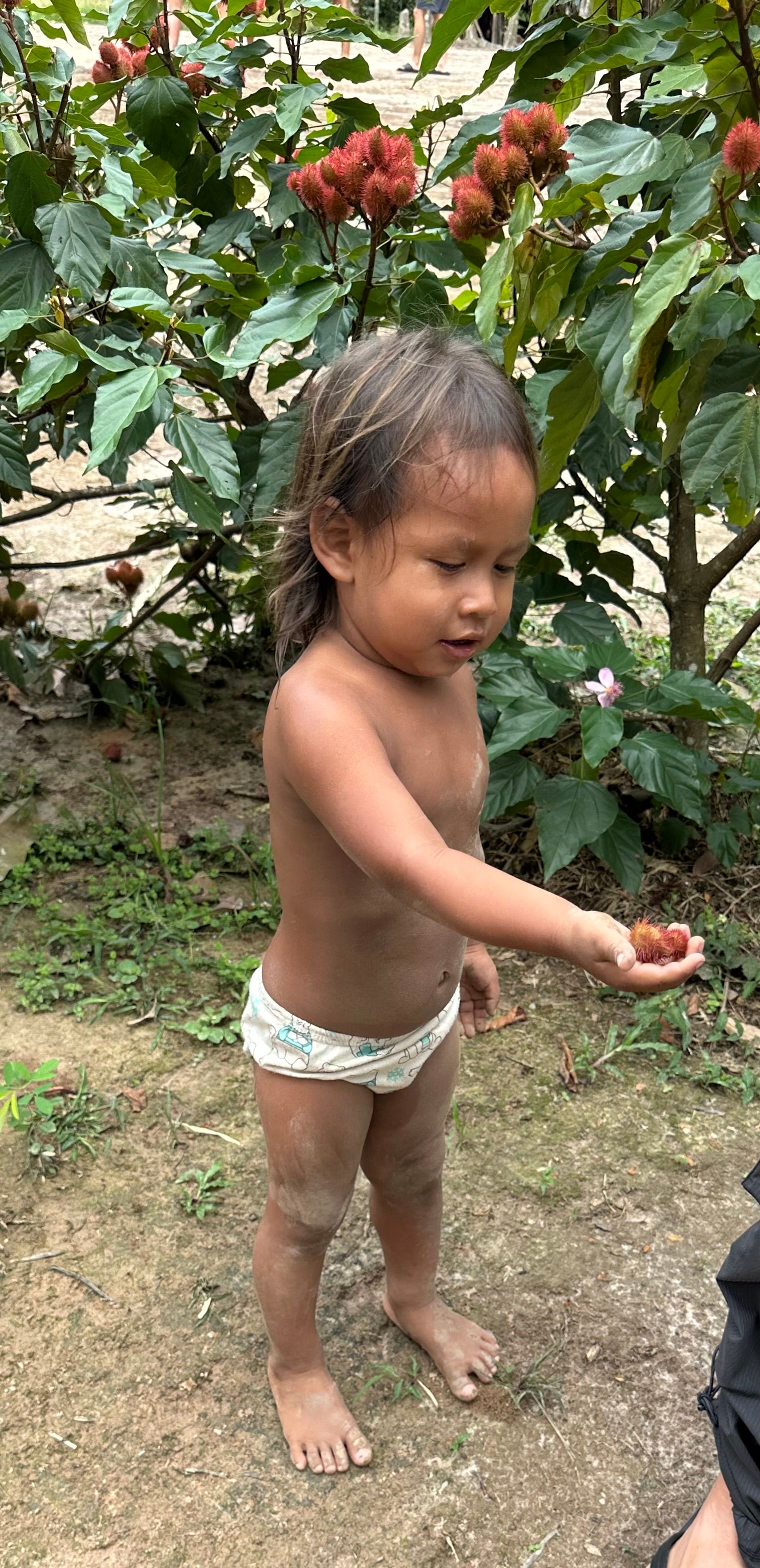
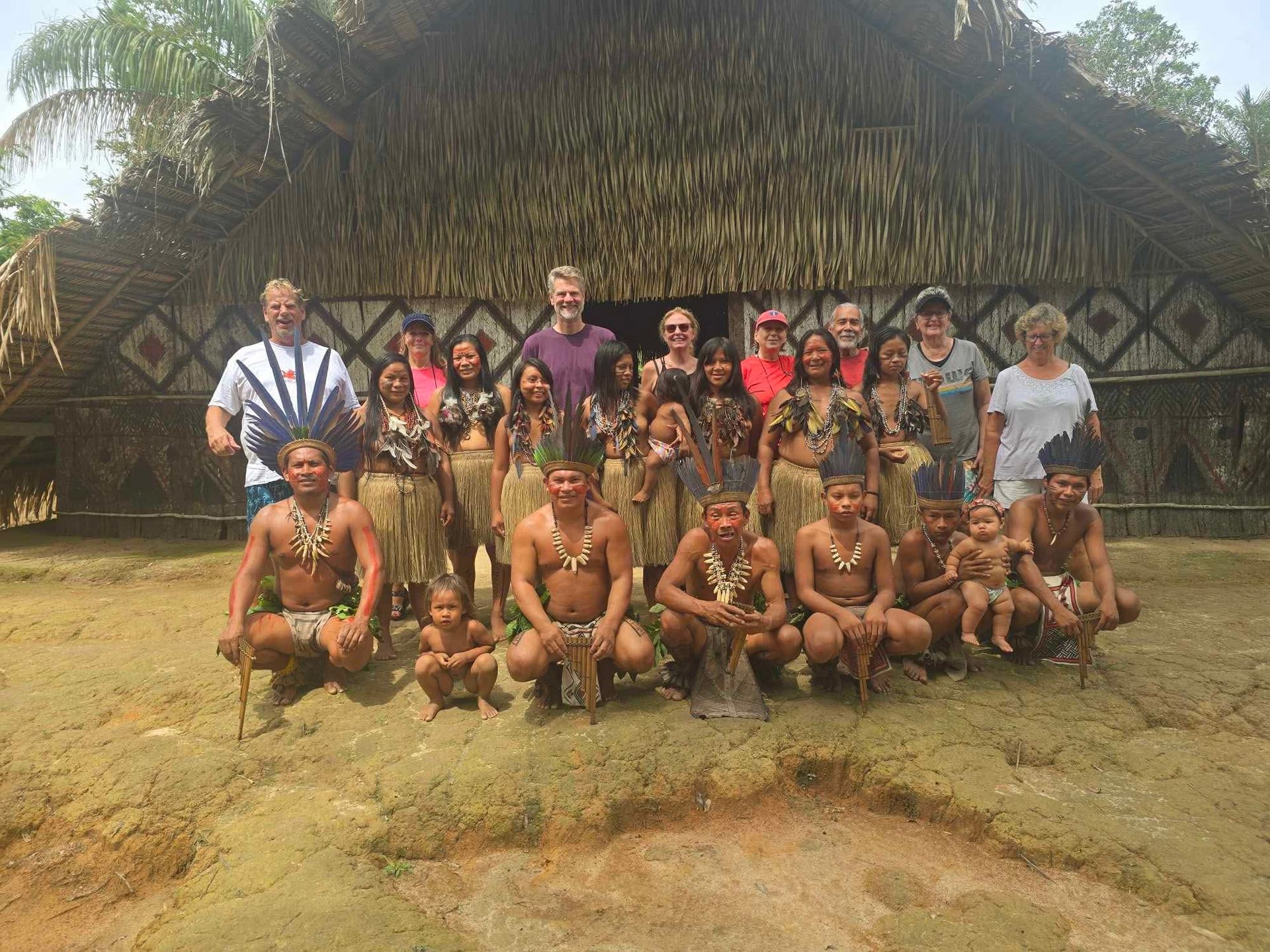
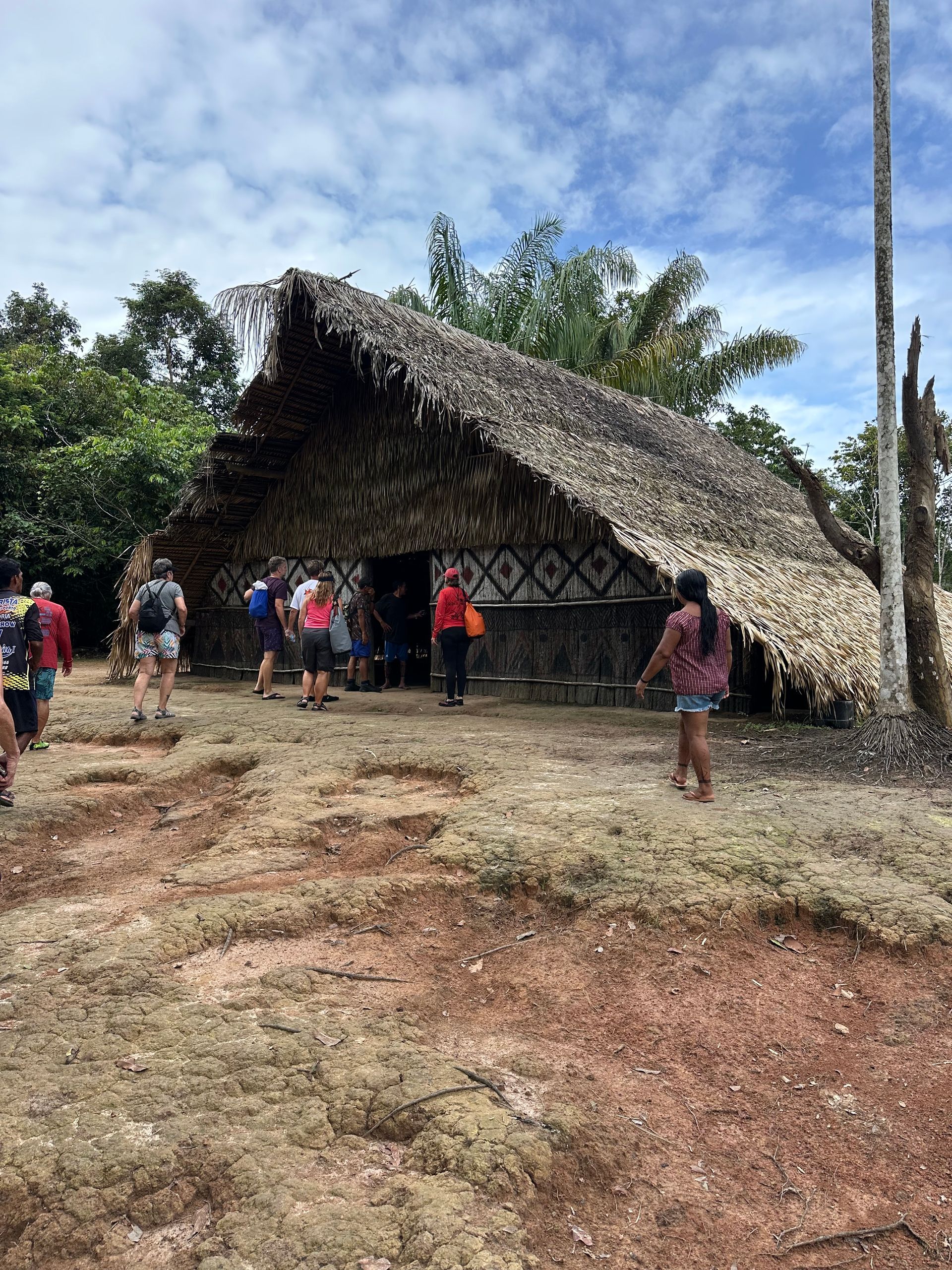
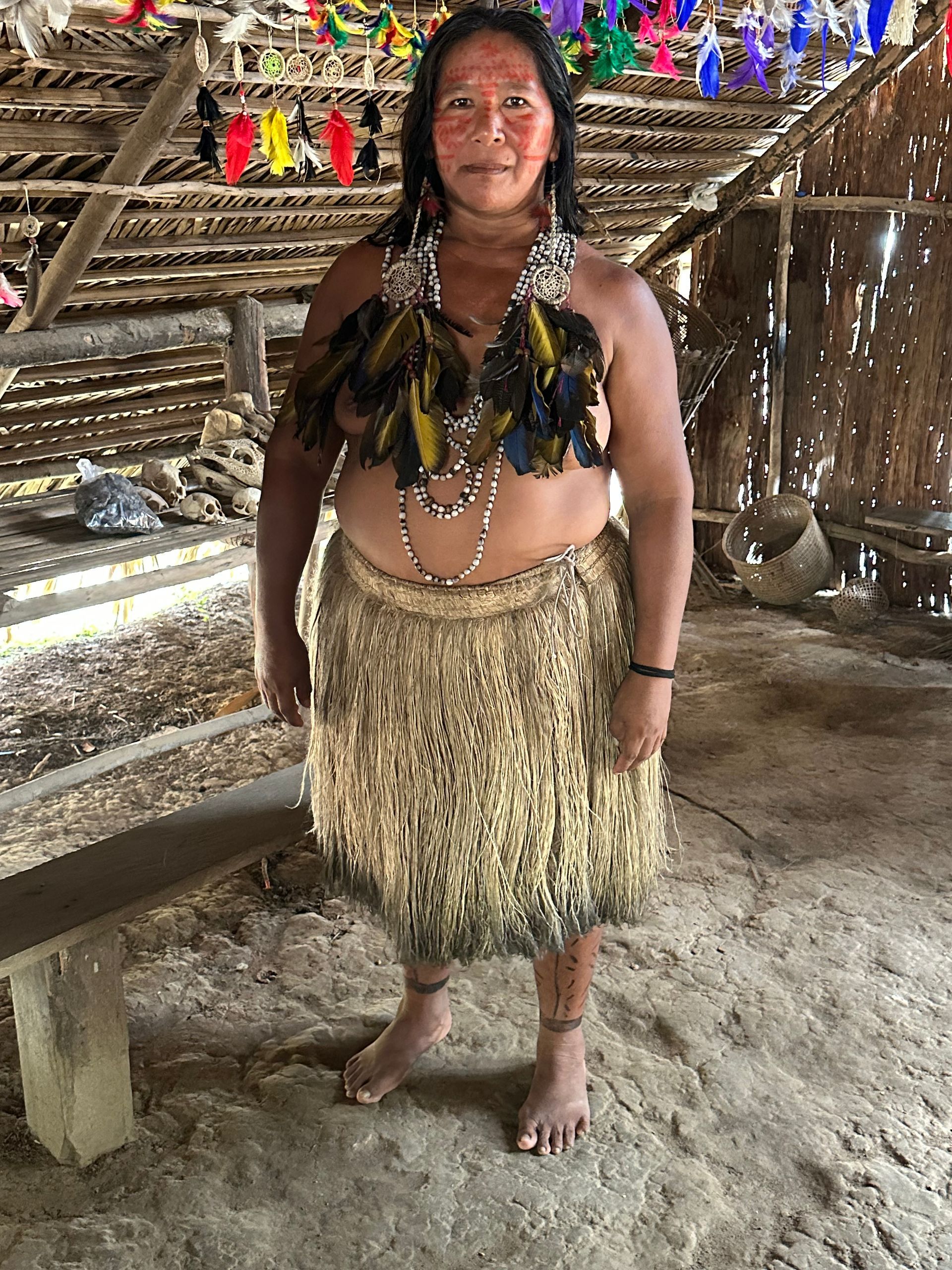
We went to an indigenous tribes ceremonial house and got to meet the families. The babies were adorable! Made me instantly homesick for my great nephews and nieces! They performed for us some of their traditional songs and dances.
By Patricia Patrick February 15, 2026
We got up at 6:45am to get to National Park Forts Walk trail in the hope of seeing koalas . Prior walkers mark trails with tree branches pointing in the direction of their sighting and we were luck enough to see 3 markers in our first hour of hiking. It is so stinking hot and humid the success we had made it bearable. The koala population on the island started with 20 brought over in 1930, to escape fur hunters. Today, the island boast 800 to 1000, and they are so cute and drowsy. They need 20 hours of sleep a day! The early morning is when they are the most active.
By Patricia Patrick February 14, 2026
Just off the coast of Townsville, Australia is a special little island (that used to be part of mainland, hundreds of thousands years ago). The island was formed by molten granite that was pushed to the earth's surface with volcanic force.Over time the volcanic overlay weathered away leaving an extraordinary landscape of rounded domes and boulders, many as big as a house and spectcularly perched. Over Seventy Percent of the center of the Island is a National Park. There is lots of wildlife here too - koalas, rock wallabies, snakes & birds.
By Patricia Patrick February 14, 2026
This is my third time in CAIRNS, AUSTRALIA and I really enjoy how walkable, clean and charming it is. The waterfront esplanade and lagoon area is a nice walk day or night. We had 2 nights here in the waterfront Shangri La Marina Hotel while waiting for the Ship to arrive and then 2 additional days in Port.